
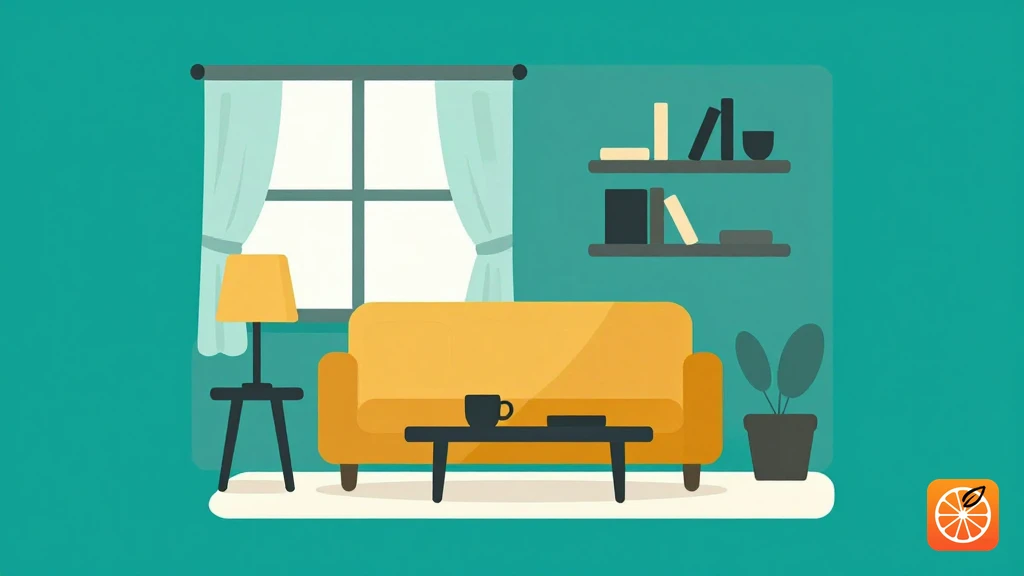
36 Everyday Objects in Chinese: A Room-by-Room Illustrated Guide
Most vocabulary lists teach you words in whatever order a textbook chapter happens to introduce them, which is rarely the order you’d actually need them. This one works differently: it walks through an ordinary home, room by room, and names the thirty-six things sitting in it. You already know what a sofa looks like and what it’s for. The only gap is the label, and a label is much easier to keep when it’s attached to a picture of the actual object, not floating alone on a flashcard.
The living room (客厅, kètīng)
The room built for sitting, talking, and half-watching something on a screen looks similar in most households, which makes it a good place to start.
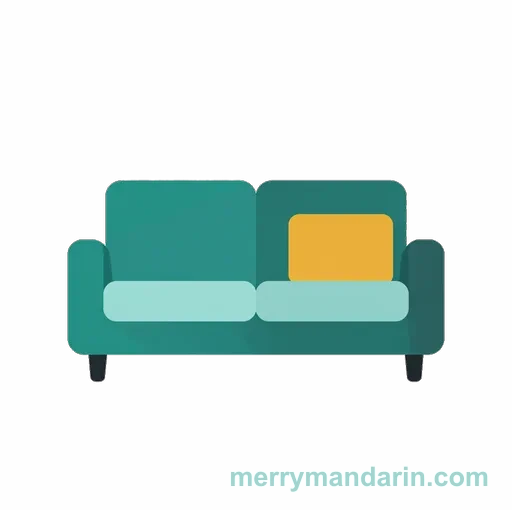
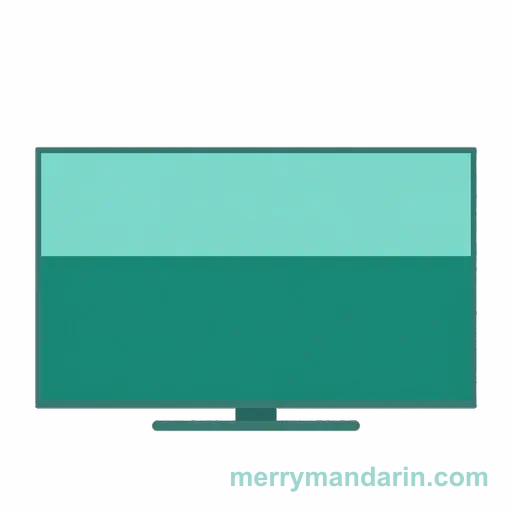
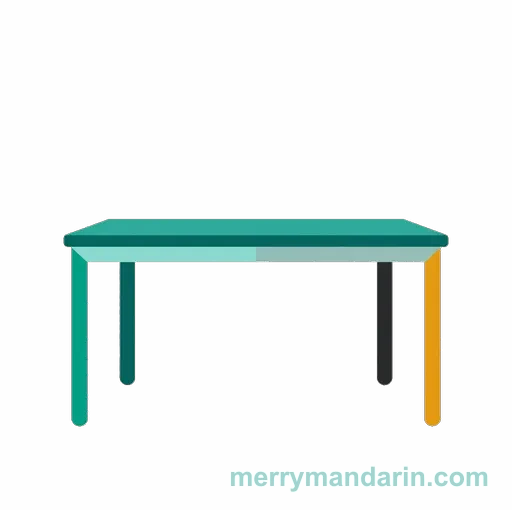
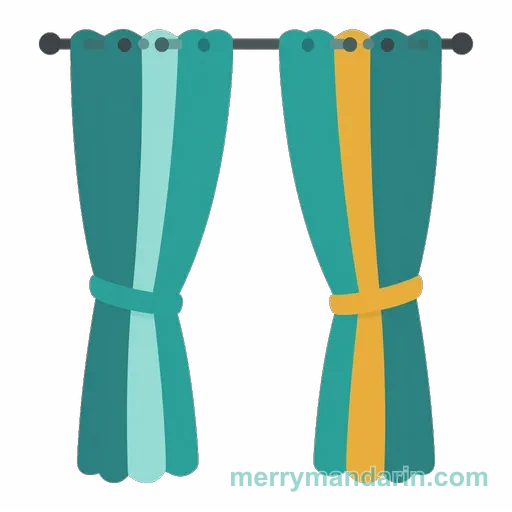
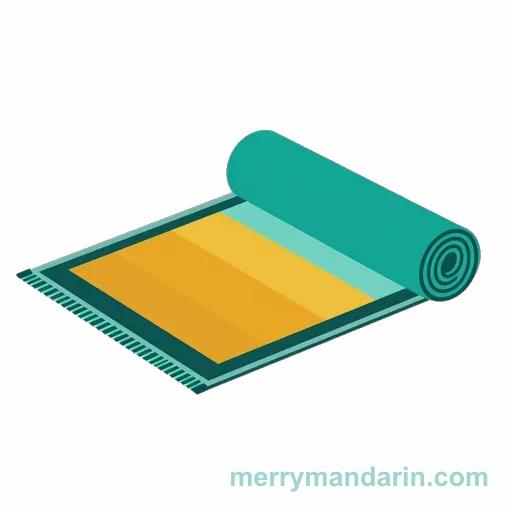
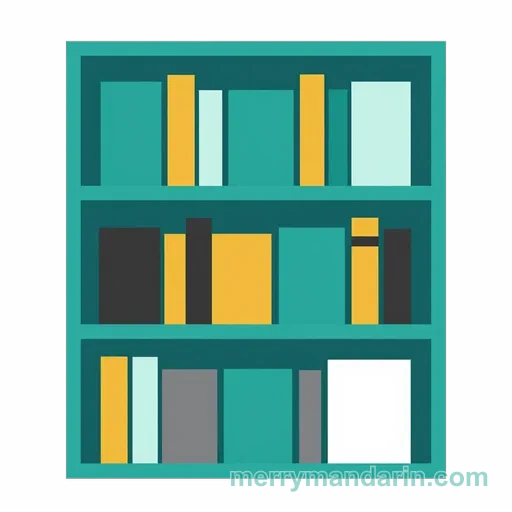
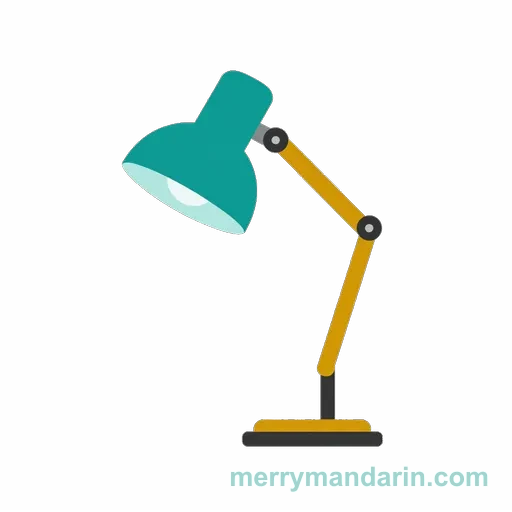
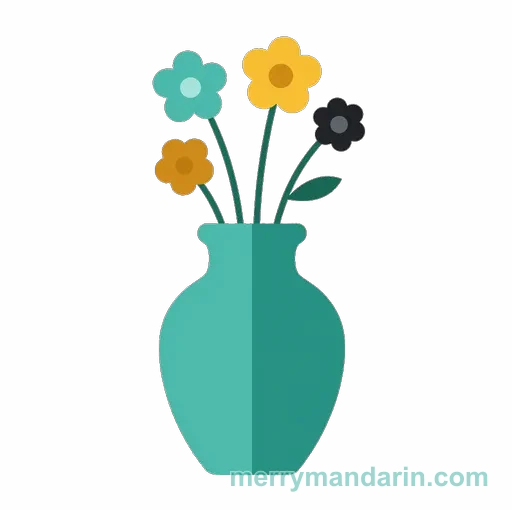
茶几 (chájī) is worth pausing on: 茶 is the same 茶 as in 茶 (chá, “tea”) itself, and 几 here means a small table, so the compound is transparent once you know both pieces, a tea-table, which is exactly what it is.
The bedroom (卧室, wòshì)
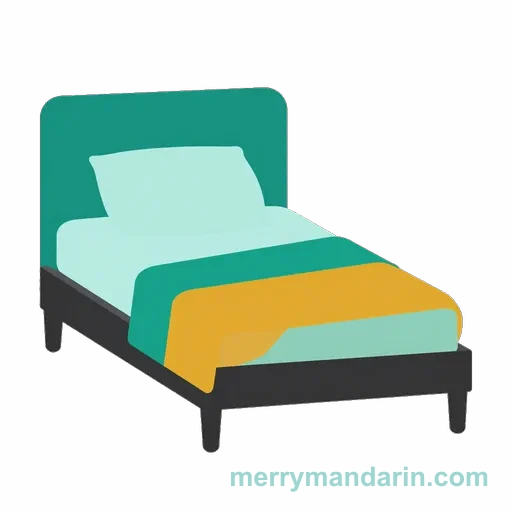
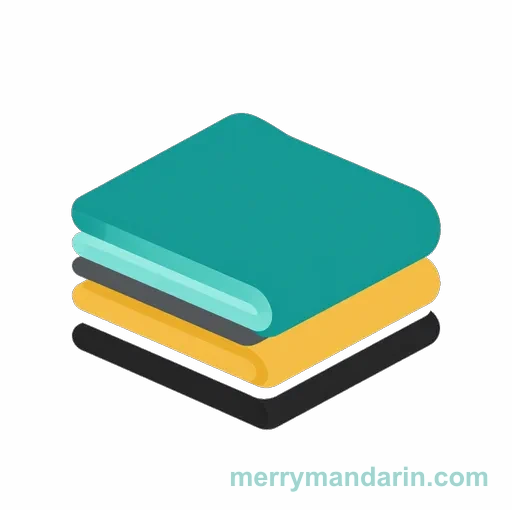
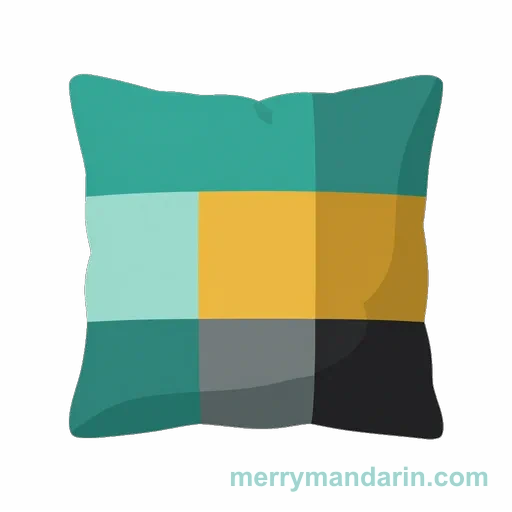
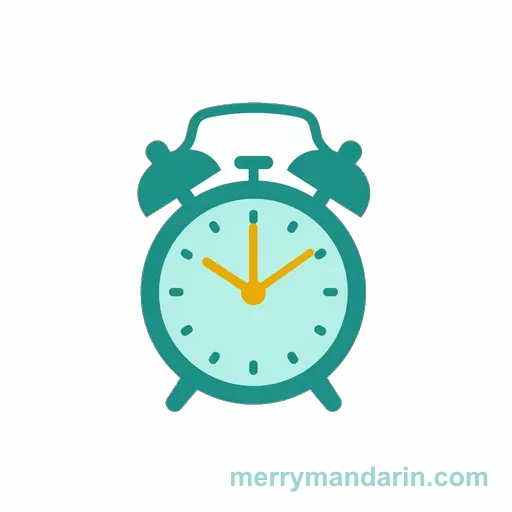
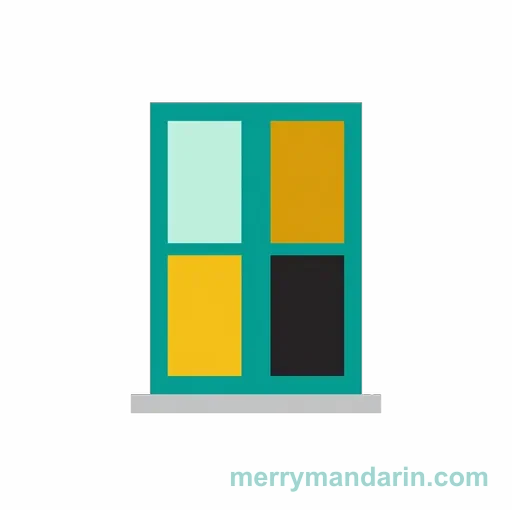
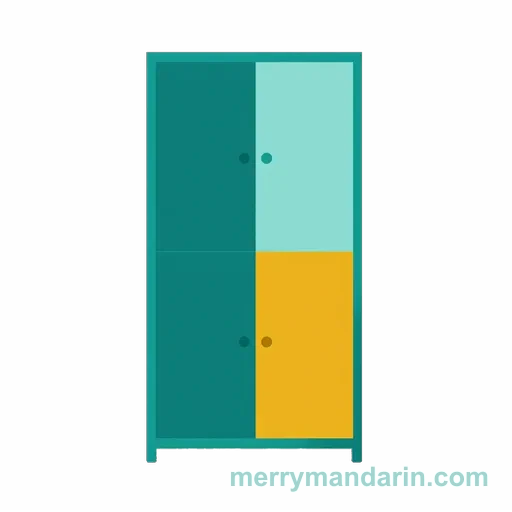
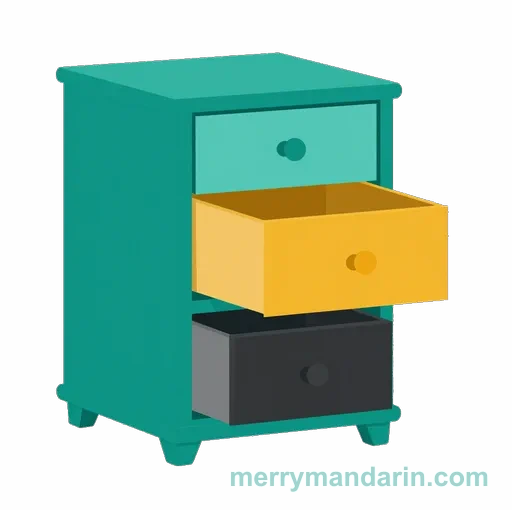
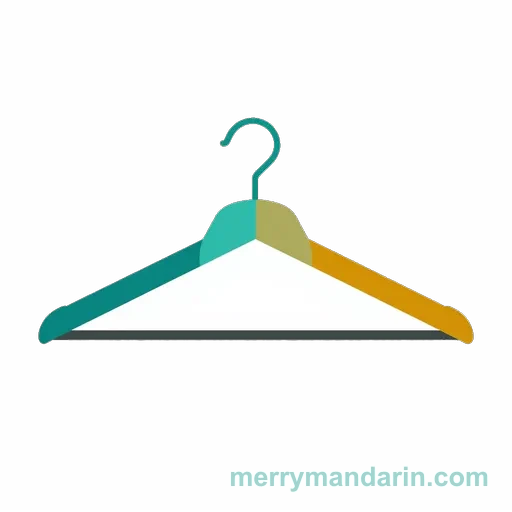
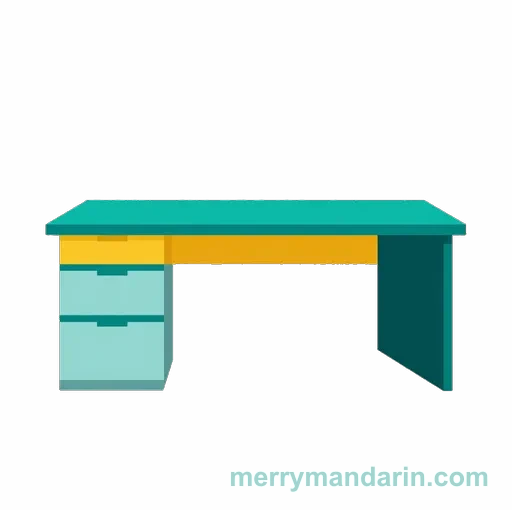
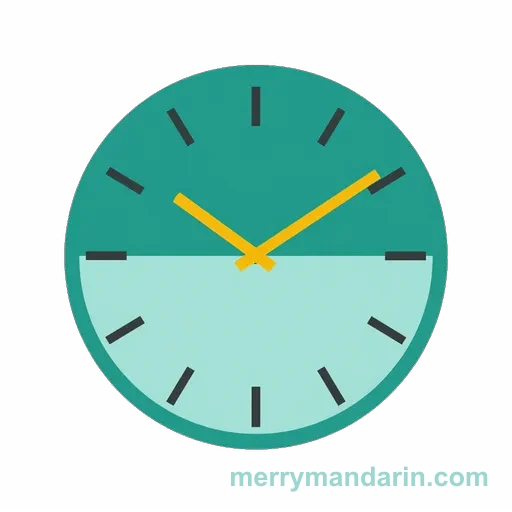
闹钟 (nàozhōng) is a small, satisfying compound once you see it split apart: 闹 means noisy or to make a racket, and 钟 is a clock, so an alarm clock is, quite literally, a “noisy clock.” 挂钟 in the living room, by contrast, is a “hanging clock,” the wall-mounted kind. Same 钟, two completely different mounting situations, two different words.
The bathroom (浴室, yùshì)
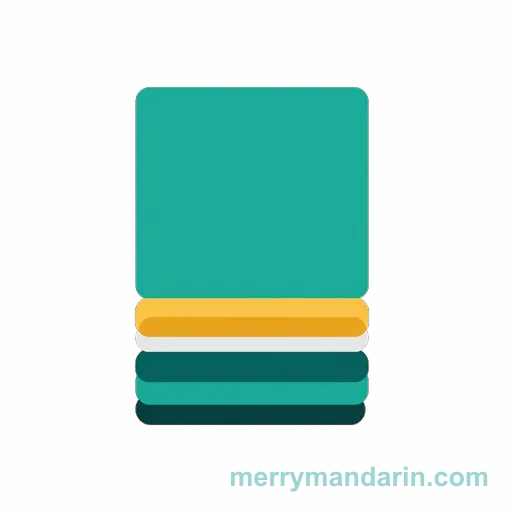
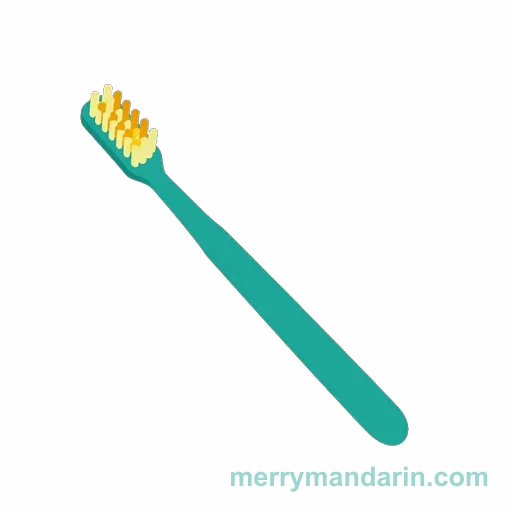
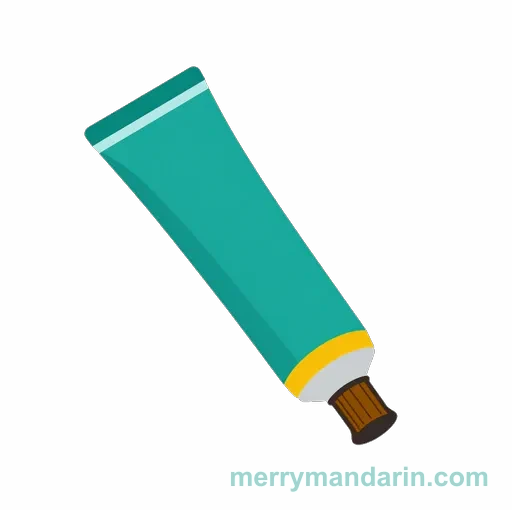
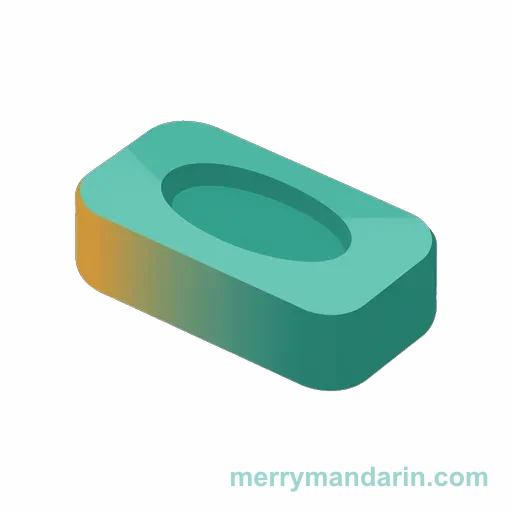
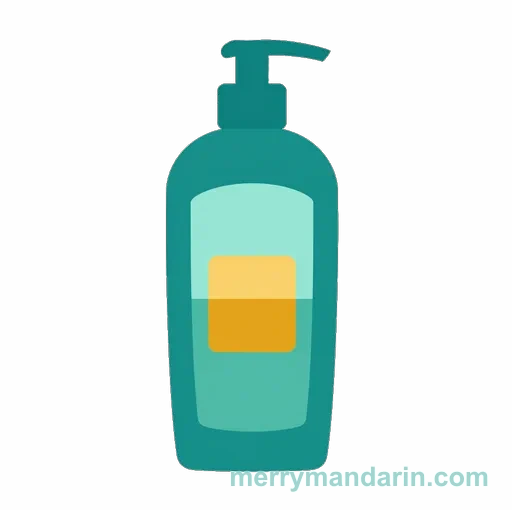
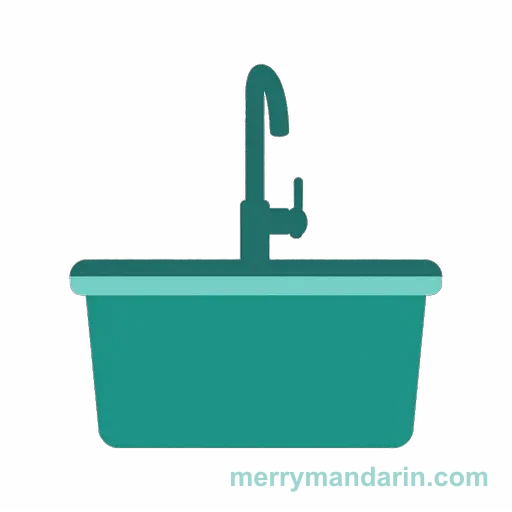
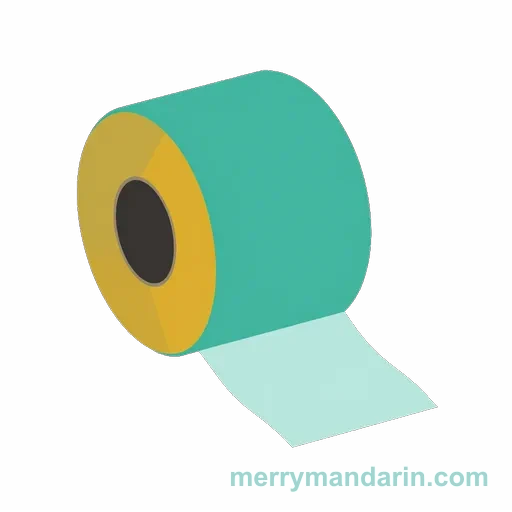
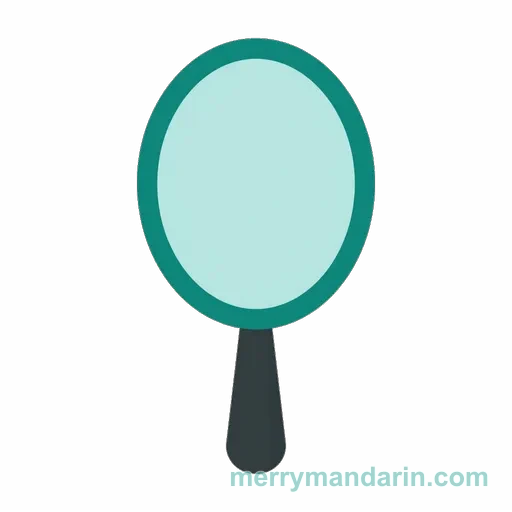
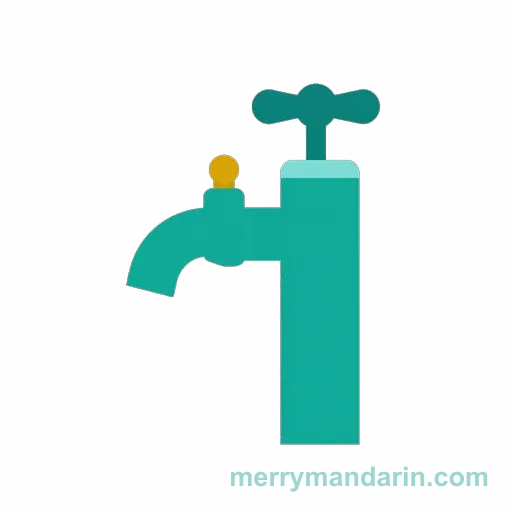
龙头 (lóngtóu) is one of the more charming object names in the language once you notice it: 龙 is dragon, 头 is head, and a tap is a “dragon head,” the same logic as the ornate dragon-mouth spouts on older fountains and water features. Mainland listings sometimes write out the fuller 水龙头 (shuǐlóngtóu, “water dragon head”), but 龙头 on its own is what you’ll actually hear said out loud.
The kitchen (厨房, chúfáng)
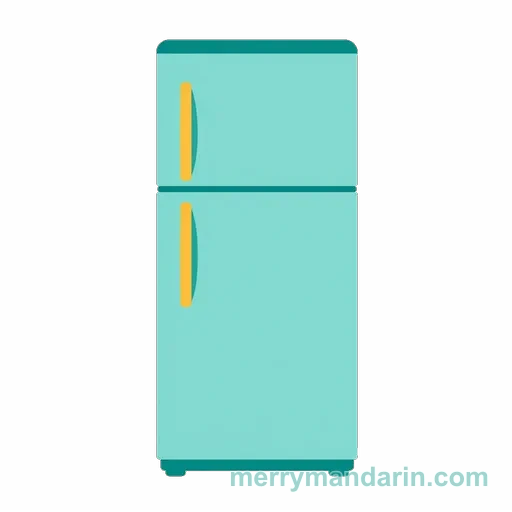
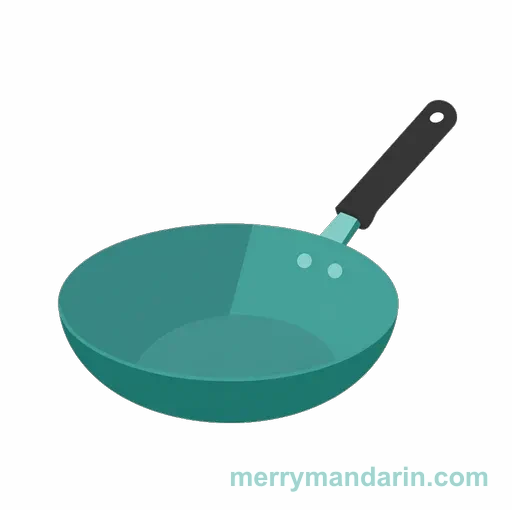
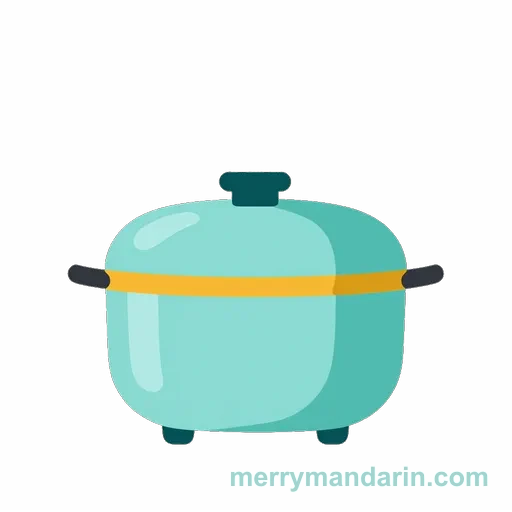
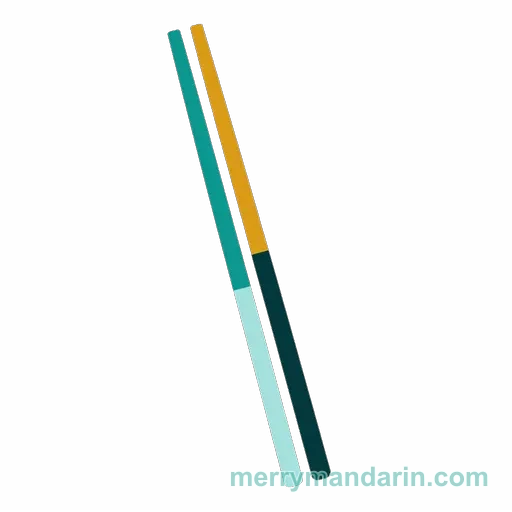
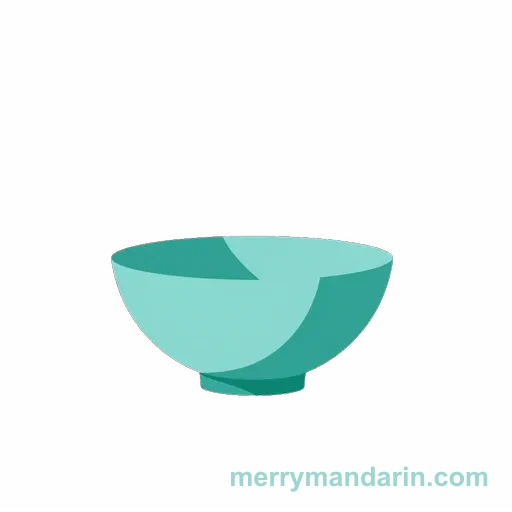
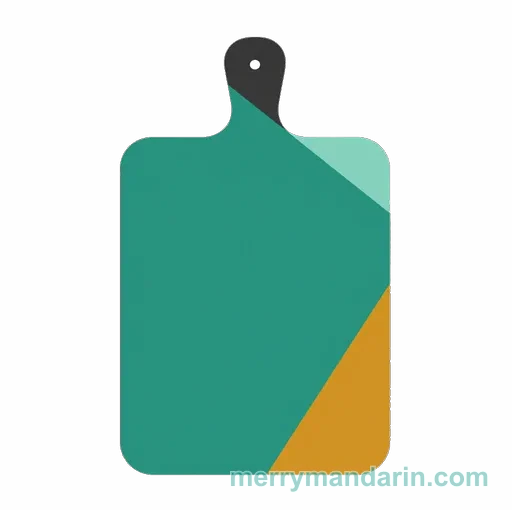
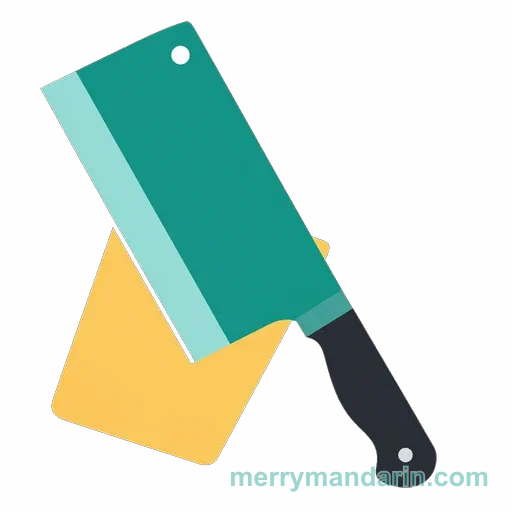
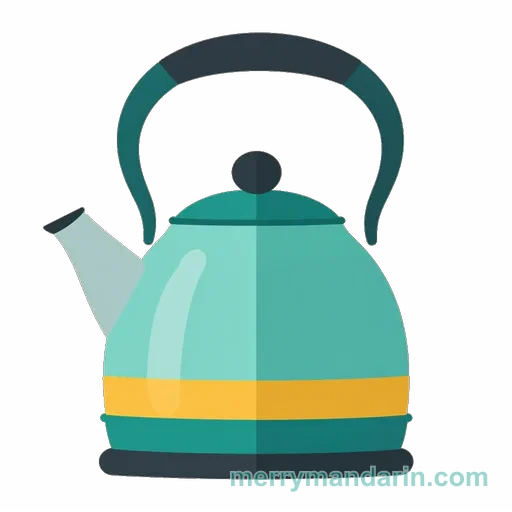
冰箱 (bīngxiāng) breaks down the same transparent way as most kitchen appliance names: 冰 is ice, 箱 is box or case, so a fridge is an “ice box,” which happens to be exactly what English speakers called one a century ago too, before the word got shortened.
A concrete word gets stored two ways at once, as language and as image, and either path alone can bring the other one back. An abstract word only ever gets the one path.
Why the pictures are doing real work here
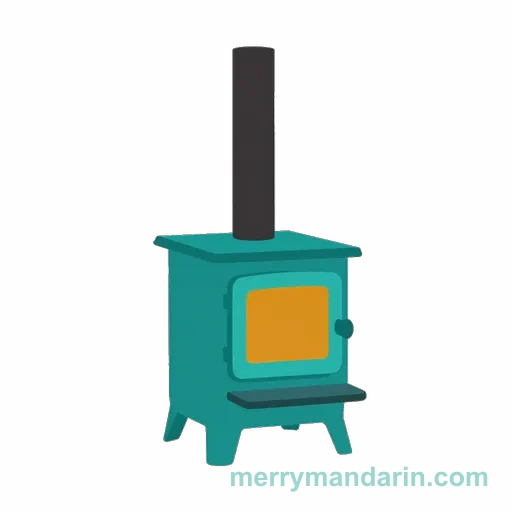
None of this is decoration. The reason 沙发 sticks better next to a drawing of a sofa than next to the English word “sofa” printed beside it is the same reason a photo of your own kitchen is easier to recall than a memory of reading about kitchens: a picture gets encoded as both an image and a piece of language, so there are two separate routes back to it later, not one. That’s also the exact mechanism behind Merry Mandarin’s picture-based review modes, which swap the usual Again/Hard/Good/Easy flashcard for the illustration itself and ask you to produce the word from the image alone.
You don’t need to memorize all thirty-six in one sitting. Walk through your own home instead, room by room, and see how many of these you can already attach to something sitting right in front of you.
Related reading

How to Memorize Chinese Characters Using Radicals
How to memorize Chinese characters using radicals: the top 15 radicals, a four-step Hanzi decomposition workflow, and the cognitive science behind why rote copying fails.

Chinese Vocabulary for the Market: Fruits, Vegetables, and Paying
Chinese vocabulary for an actual grocery run: fruits, vegetables, and the words for baskets, bags, and paying, illustrated and organized the way a real trip to the market goes.

Hiking in Chinese: The Vocabulary You Need on the Trail
Chinese vocabulary for hiking, illustrated: what's in your pack, what's on the trail, and what you might see, built around a narrated Chinese story you can watch.