
Hiking in Chinese: The Vocabulary You Need on the Trail
Hiking vocabulary is one of the more oddly under-served corners of Mandarin study. Search for it and you mostly get restaurant menus, airport phrases, and shopping vocabulary, never the words for the thing millions of people in Taiwan and mainland China actually do every weekend: 爬山 (páshān), heading up a mountain on foot. This is the vocabulary for that, built around a short narrated story so the words have somewhere to live.
Watch the story first
The video below is 山中一日 (“A Day in the Mountains”), an HSK 3-level graded story, entirely in Mandarin, no English narration. It follows one hike from setting out in the morning to walking back down as the light changes. Watch it once for the story. Everything below is the vocabulary underneath it, organized so you can actually use it on your own hike, not just recognize it in this one.
What’s in your pack



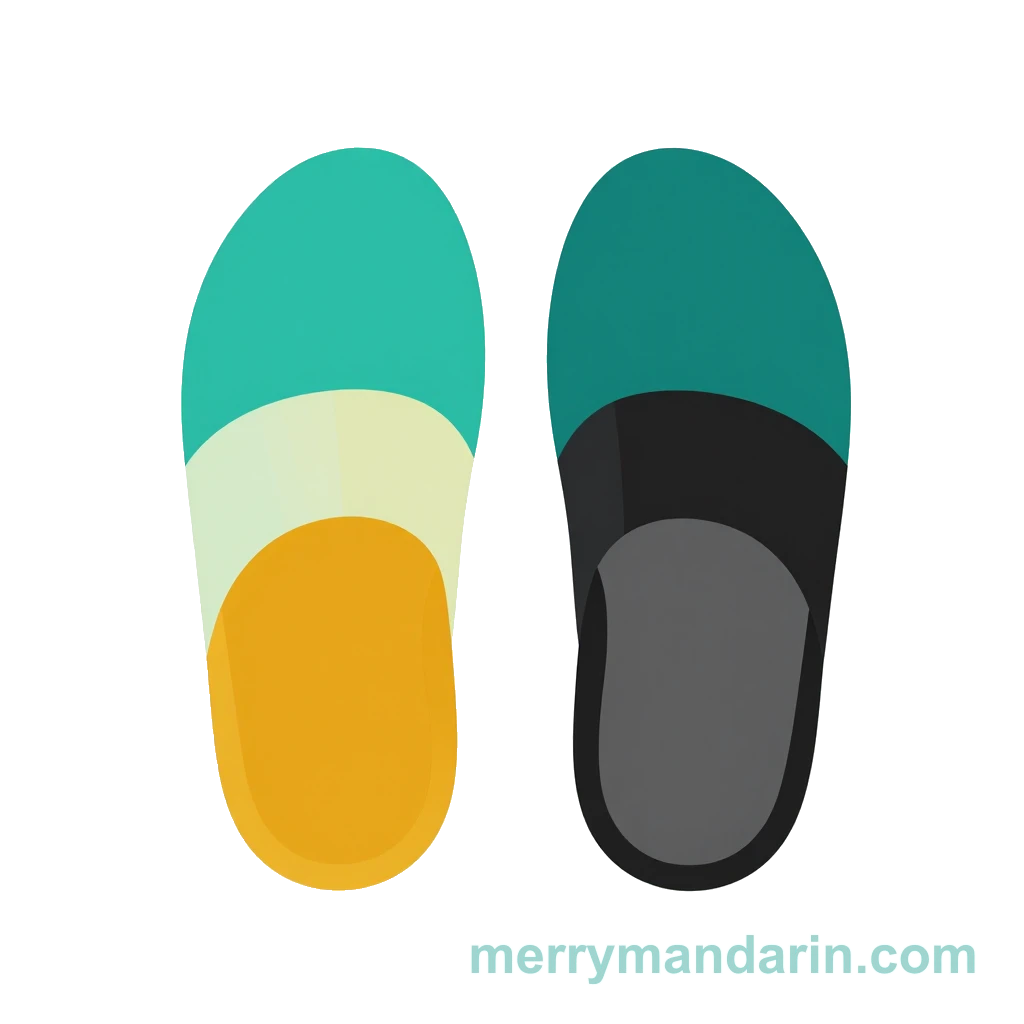
登山鞋 is worth noticing as a compound: 登山 (dēngshān) is the more formal word for mountain-climbing, the one that shows up on trail signs and gear labels, while 爬山 (páshān) is what people actually say when they tell a friend what they’re doing this weekend. Both mean the same thing. Reach for 爬山 in conversation and expect 登山 on equipment and maps.
On the trail







Wildlife you might actually see
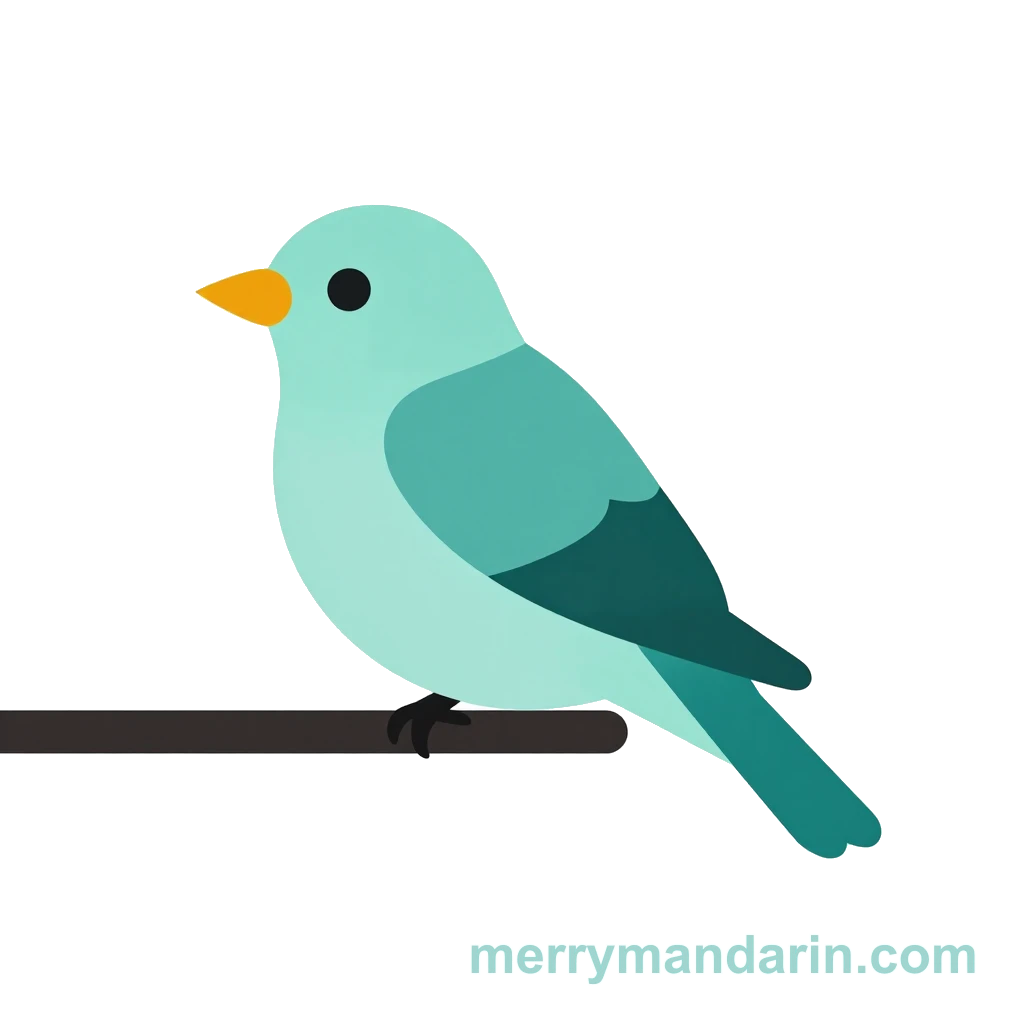
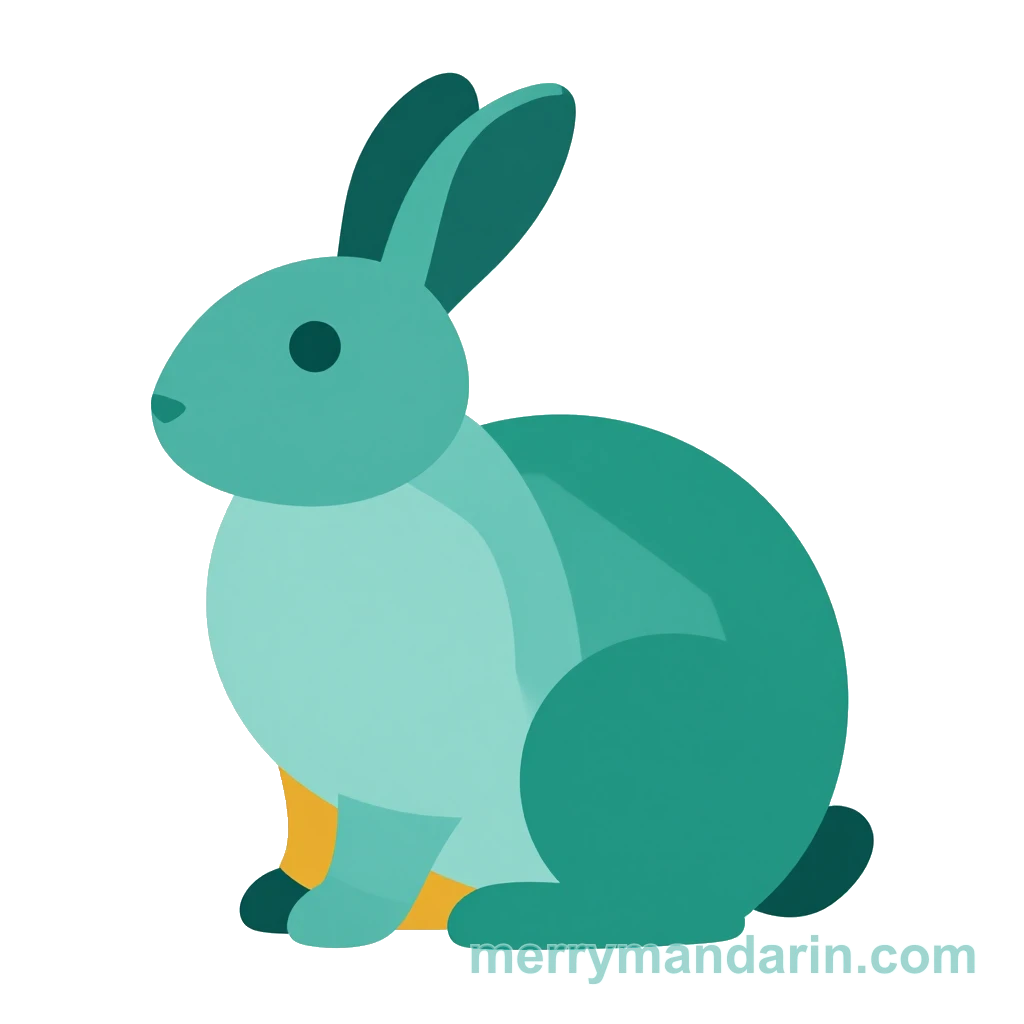
None of these are zoo animals. A songbird, a rabbit, a deer at a distance, a few butterflies over a clearing: this is what shows up on an ordinary hike, and it’s exactly what the video’s story is built around.


Talking about the hike itself
The nouns above get you through naming what you see. These get you through actually describing the experience, which is the part most vocabulary lists skip entirely.
风景 is the word to reach for at the summit: 风景真好看 (fēngjǐng zhēn hǎokàn), “the view is really beautiful,” is a completely natural thing to say out loud to whoever hiked up with you, and a far more useful sentence than anything a phrasebook built for tourists in a city ever offers.
Using this after the video
Watch 山中一日 again with these words already in your head and the difference is immediate: the story is simple by design, HSK 3-level, and once 背包, 小路, and 鹿 aren’t new to you anymore, you’ll notice you’re reading the Chinese itself and only glancing at the subtitles when you actually need them. That’s the actual point of pairing a story with a vocabulary list like this: the words already have somewhere to live.
Merry Mandarin’s FSRS-5 review engine can drill every word on this page the same way it drills any other vocabulary, spaced out over the following days until 爬山 stops requiring translation and starts just meaning what it means. Free to try.
Related reading

36 Everyday Objects in Chinese: A Room-by-Room Illustrated Guide
Learn the Chinese words for the objects actually in your home, illustrated and organized room by room: living room, bedroom, bathroom, and kitchen.

Chinese Vocabulary for the Market: Fruits, Vegetables, and Paying
Chinese vocabulary for an actual grocery run: fruits, vegetables, and the words for baskets, bags, and paying, illustrated and organized the way a real trip to the market goes.
Mid-Autumn Festival in Chinese: Greetings, Mooncakes, and What They Really Mean
What to actually say for Mid-Autumn Festival: the right greeting for the moment, the mooncake vocabulary you'll need, and the honest story behind the holiday's reunion imagery.