
Chinese Vocabulary for the Market: Fruits, Vegetables, and Paying
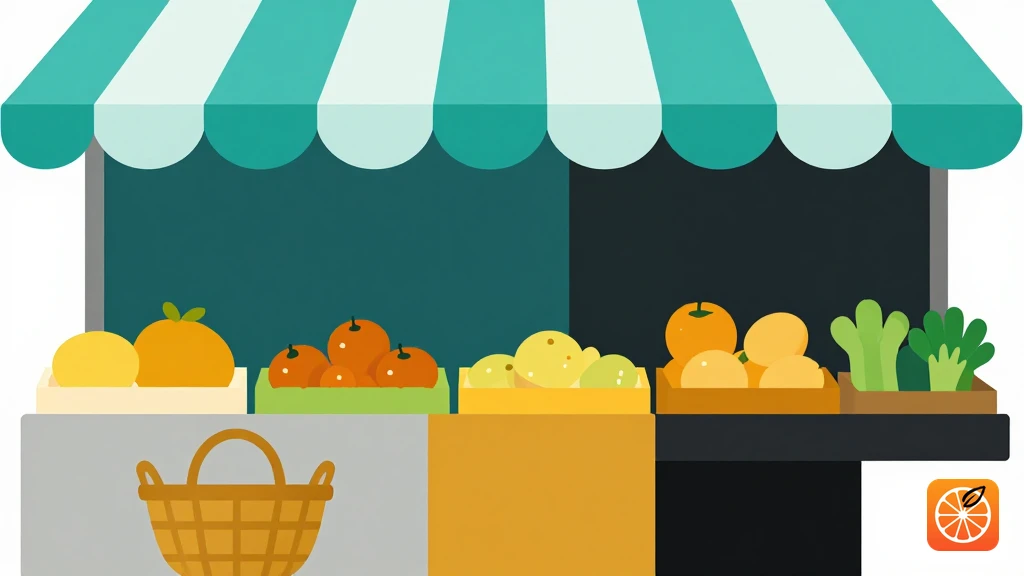
Most food-vocabulary lists teach you dish names, the things a menu hands you already cooked. This one is earlier in the process: the fruit stand, the vegetable stall, and the moment you actually pay for what you picked out. It’s the vocabulary for 买菜 (mǎicài), the everyday errand of going to buy groceries, not the vocabulary for eating them.
Fruit

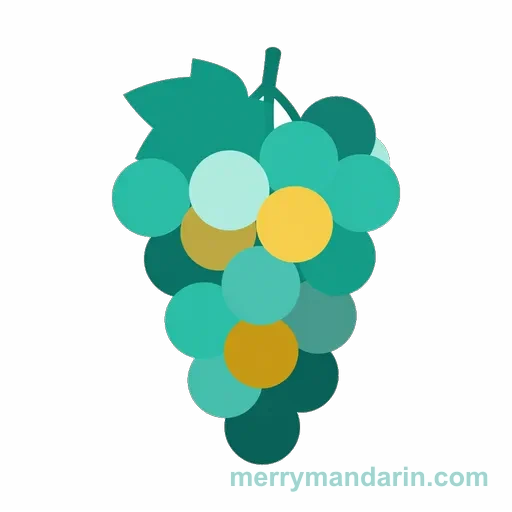
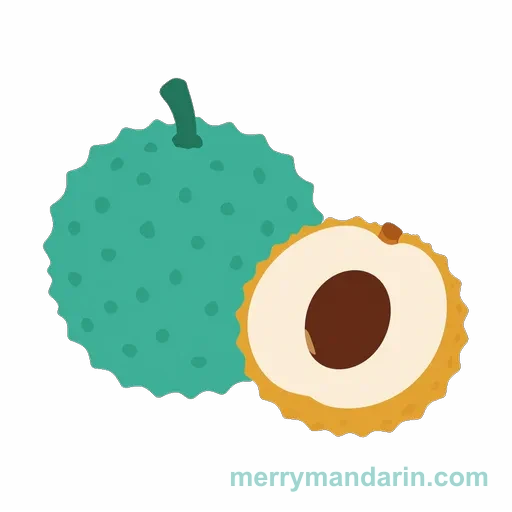
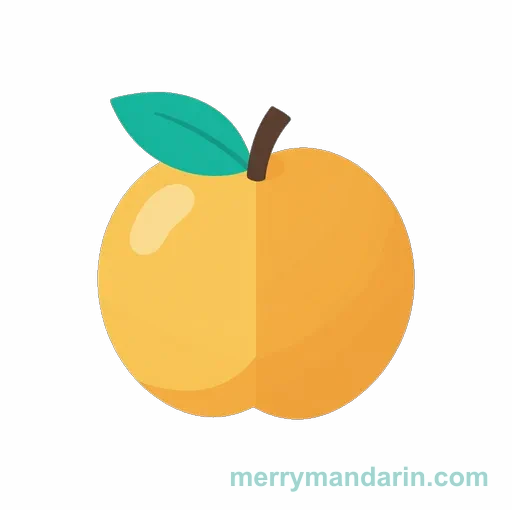
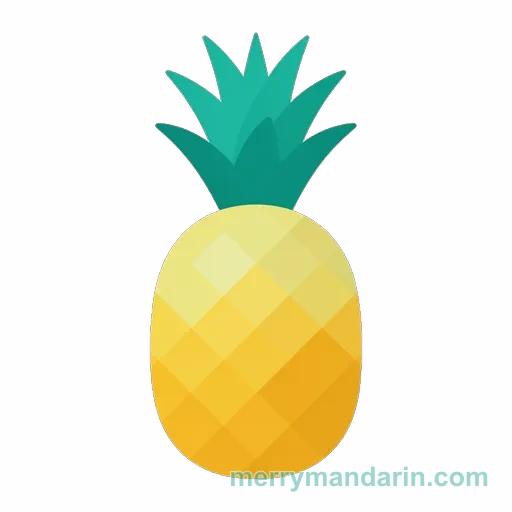
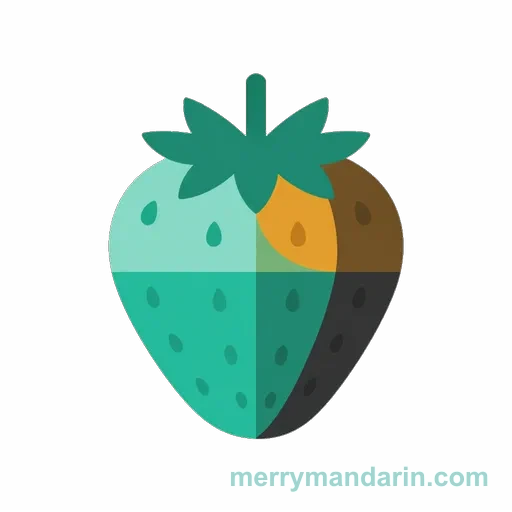
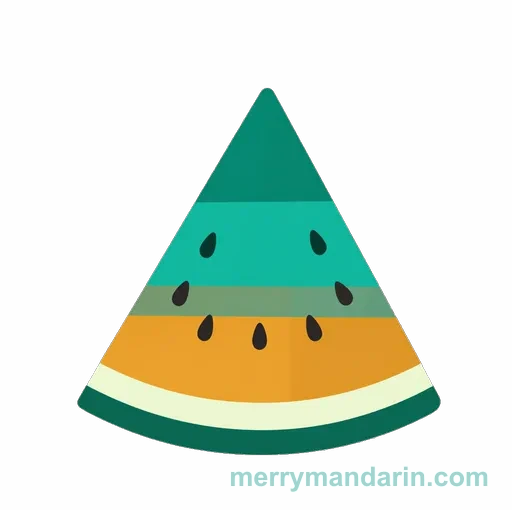
凤梨 is the word used throughout this article, and across Taiwan generally. On the mainland and across most of the south you’ll more often hear 菠萝 (bōluó), same fruit, a genuinely different word, not a regional accent on the same one.
Vegetables
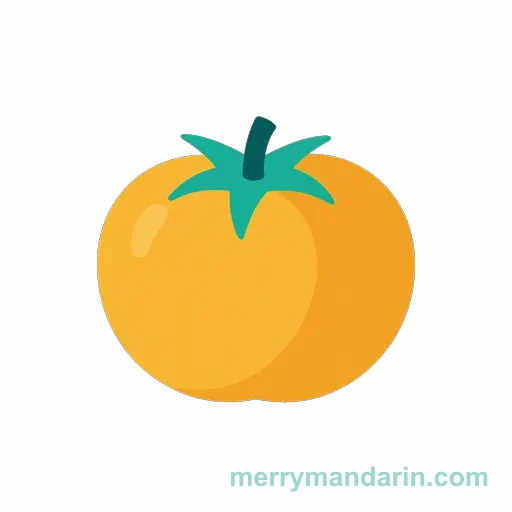
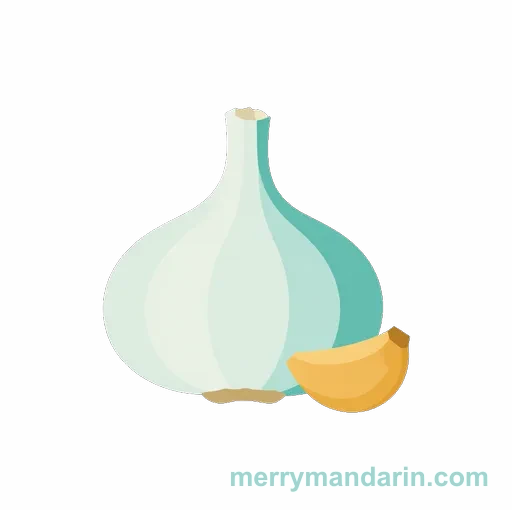


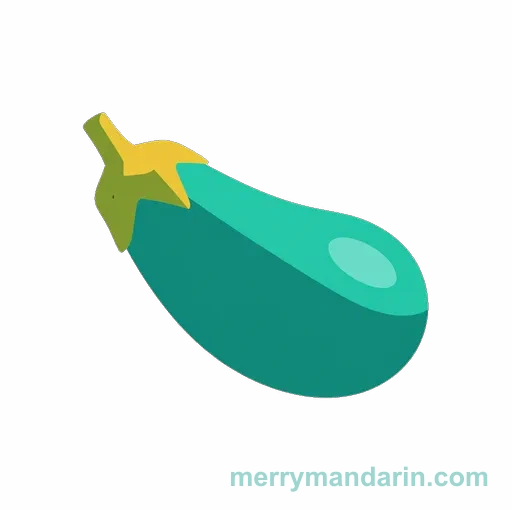


番茄 is a small flag for something bigger: it’s the southern, Cantonese-influenced word for tomato, and it’s the one used in this article on purpose, the same choice this site makes throughout its own Chinese content. The more northern 西红柿 (xīhóngshì) is just as correct. Both are correct. You’ll hear either depending on where you are.
At the register

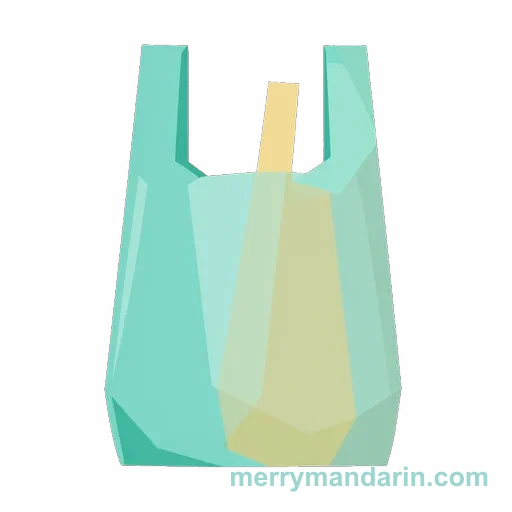


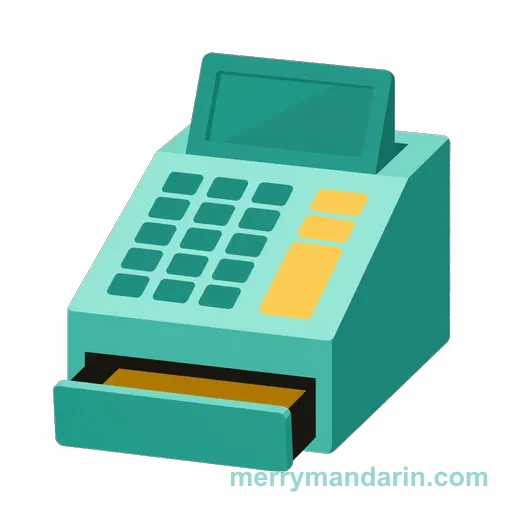

市场 and 商店 aren’t interchangeable, and the difference matters for what happens next. 市场 is an open-air or wet market, stalls, weighed produce, and prices that move. 商店 is a regular shop with fixed prices on the tag. What you can actually say to the person selling to you depends entirely on which one you’re standing in.
What to actually say
便宜 does real work at a 市场 that it can’t do at a 商店. Asking a vendor to knock the price down a little, 便宜一点 (piányi yìdiǎn), is a completely normal part of buying produce at an open-air market and is expected as part of the exchange. Try that at a supermarket checkout and it lands as a strange, slightly awkward request, since the price on the tag there isn’t a starting offer.
Using this at an actual market
None of this needs a special trip to be useful. 多少钱 and 新鲜 work the same way whether you’re standing at a stall this weekend or just running through the words in your head. The nine fruits, nine vegetables, and nine market-and-paying words above cover the actual shape of a grocery run, from picking something up to walking out with it.
Merry Mandarin’s FSRS-5 review engine drills vocabulary like this against real sentence patterns, so 便宜一点 turns into something you can actually say the next time a vendor names a price. Free to try.
Related reading

36 Everyday Objects in Chinese: A Room-by-Room Illustrated Guide
Learn the Chinese words for the objects actually in your home, illustrated and organized room by room: living room, bedroom, bathroom, and kitchen.

Hiking in Chinese: The Vocabulary You Need on the Trail
Chinese vocabulary for hiking, illustrated: what's in your pack, what's on the trail, and what you might see, built around a narrated Chinese story you can watch.

Chinese Idioms You'll Actually Hear (Not the Dragon Stories)
The Chinese idioms native speakers actually say every day, and why textbooks keep teaching you 画蛇添足 instead. Real chengyu for mess, disbelief, and everything in between.