
Hot Springs in Chinese: A Cozy Taiwan Getaway
There is something particularly inviting about a hot spring on a cool evening. The air has a little bite, the water is steaming, and a folded towel is waiting on a wooden bench. Before you settle in, though, you may need to ask for a private bath, find the changing room, or work out what a sign beside the pool is telling you.
This guide to hot springs in Chinese gives you the words for those small moments, along with a little background on Taiwan’s hot spring towns. We will go from the reception desk to the water, then finish with the kind of Chinese you might use while looking out at the mountains. The vocabulary cards show Simplified Chinese first, a smaller Traditional Chinese row below it, and then pinyin. That second row is especially useful in Taiwan, where the signs you see will generally use Traditional Chinese.
What is a hot spring called in Chinese?
A hot spring is 温泉 (wēnquán), written 溫泉 in Traditional Chinese. 温 means warm, and 泉 means a spring or a source of water. Together, they give you a word that is easy to connect with the place itself: warm water coming from underground.
To say what you are going there to do, add 泡 (pào), “to soak”. 泡温泉 means to soak in a hot spring. You can use it in an invitation, a weekend plan, or a conversation about what you did yesterday. 我们去泡温泉吧。 (Wǒmen qù pào wēnquán ba.) means “Let’s go soak in a hot spring.”
In Taiwan, you will also hear 泡汤 (pào tāng), written 泡湯. At a restaurant, 汤 is soup, but in this setting 泡湯 means enjoying a hot spring bath. It is a useful expression to recognize on a hotel website or in a conversation about a trip. A bathing advertisement is not offering you a bowl of soup.
There is a second meaning worth knowing. When someone says that a plan 泡汤了, they can mean that it fell through. The surrounding sentence makes the difference clear: 去泡汤, going for a soak, belongs to your afternoon plans; a plan that 泡汤了 has gone wrong. For your first visit, 泡温泉 is a clear, straightforward way to say what you want to do.
Try learning the whole phrase rather than keeping 泡 and 温泉 as two separate dictionary entries. Say it once while imagining the pool, then use it in a plan of your own. “We’re going to soak in a hot spring” is a sentence you can take with you; the English definition alone is easier to leave behind.
A little Chinese for Taiwan’s hot spring towns
Taiwan has hot springs in quite different settings, so a hot spring trip does not always mean a remote mountain retreat. You might spend an afternoon in a district of Taipei, stay in a town in Yilan, or combine a bath with a visit to a river valley. Three names are particularly useful to recognize when you start looking at maps and hotel listings.
北投, Beitou, is in Taipei. The Xinbeitou area brings hot spring hotels, parks, and cultural sights close together, making it a convenient place to begin looking if you are staying in the city. The Beitou Hot Spring Museum is a place to learn about the area’s bathing history. It is a museum, so visiting it is a separate activity from booking a bath.
乌来/烏來, Wulai, is in New Taipei City, with hot spring facilities in a mountain and river setting. 礁溪, Jiaoxi, is in Yilan and is known for its lowland hot springs. Learning the Chinese place names helps when you compare listings, read a station name, or check whether two hotels are actually in the same area.
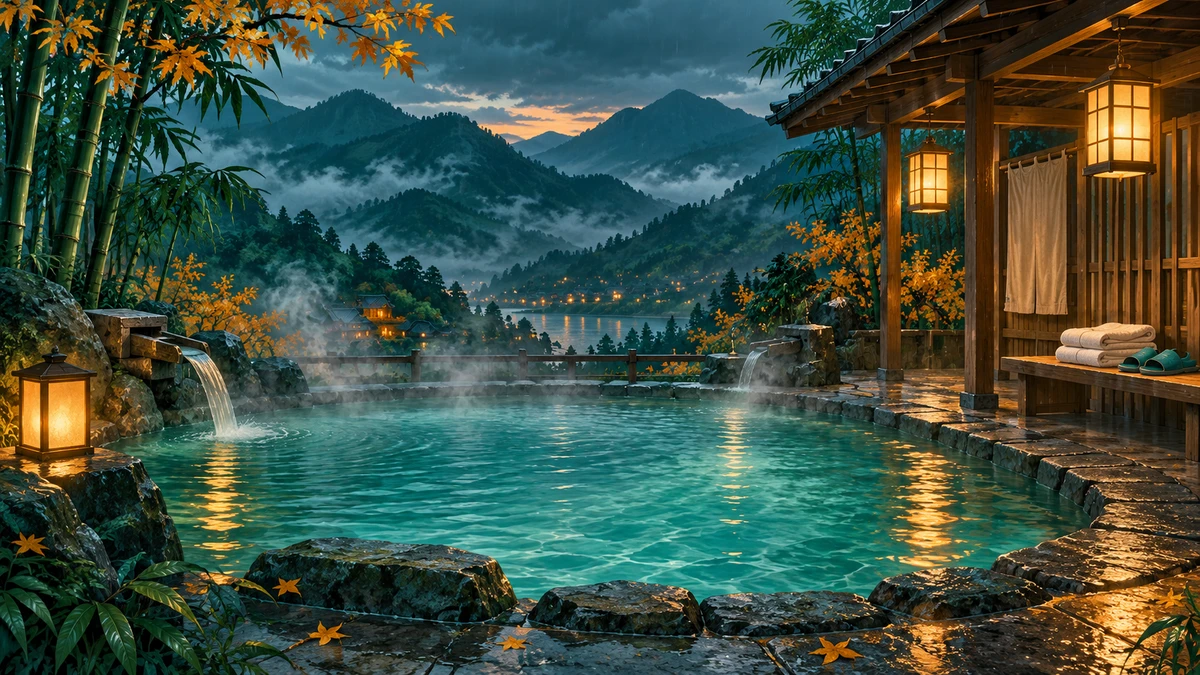
The pictures in this article imagine a quiet mountain bathhouse, inspired by the setting of our Merry Mandarin hot spring vocabulary video. It is a fictional place, rather than a picture of a particular resort. In a real booking, look at the facility’s own photos, bath options, and current visitor information so you know what you are choosing.
Hot springs are not only a winter activity, although cool weather makes the contrast between the air and the water especially appealing. If you want more words for the journey there, our Chinese autumn vocabulary guide covers the season, clothing, and the sort of warm food that sounds good after an afternoon outdoors.
Choose your bath and ask at reception
The most useful decision to make before you arrive is whether you want a private room or a shared bath. A large outdoor pool may look beautiful in a photo, but it is a different experience from having a small bathing room to yourselves. Chinese listings often make that distinction with 汤屋 and 大众汤.
汤屋/湯屋 (tāngwū) is a private bathing room. You book the room for your party, usually for a specified period. Ask what that period is and what the price covers; a room, a hotel stay, and admission to a shared bathing area are not the same purchase. 温泉旅馆 means a hot spring hotel, but the hotel name alone does not tell you which bath is included.
大众汤/大眾湯 (dàzhòng tāng) refers to a shared bathing area. It does not, by itself, tell you the clothing rules. Some facilities require swimsuits; others have separate bathing areas where swimsuits are not worn. 裸汤/裸湯 (luǒtāng) is the word to recognize for that second kind. 露天 means open-air, so 露天温泉 describes the setting rather than the dress code.
If you are unsure, ask 这里要穿泳衣吗?, “Do I need to wear a swimsuit here?” It is a much more useful question than trying to guess from a photograph. Check the rules for the particular bath you intend to use, especially if a hotel has more than one bathing area.
At reception, 请问 (qǐngwèn), “excuse me” or “may I ask”, gives you a polite opening. You do not need a long introduction before asking whether a room is available. Here is a short conversation you can adapt:
几位? asks how many people are in your party. 两位 answers “two people”, using the polite counter 位. 多久 means “how long”, so 可以使用多久? asks how long you can use the room. The one-hour answer here is an example for practice, not a standard session length across Taiwan.
If you are planning ahead, 需要预约吗? asks whether a reservation is needed. Once you know what you want, 费用是多少? asks the price. You can keep these questions short and let the staff member answer one thing at a time. That is often easier to follow than trying to ask about the room, towels, price, and opening hours in a single sentence.
The last question, “Do you provide towels?”, is worth asking before you pack. Towels may be included, rented, sold, or something you need to bring. The same goes for slippers and robes. A beautiful towel in a hotel photograph does not necessarily mean it comes with every bath ticket.
From the changing room to the water
Once you have chosen your bath, the next words are pleasantly concrete. You need somewhere to change, somewhere to put your things, and a way to get ready before entering the water. These are also words you can use at swimming pools, gyms, and hotels, so learning them here gives you something useful beyond one trip.
更衣室 (gēngyīshì) is the changing room. 更衣 means to change clothes, and 室 is a room. If you know 在哪里, “where”, you already have the pieces for 更衣室在哪里?, “Where is the changing room?” Put 请问 at the beginning if you are asking a member of staff.
储物柜/儲物櫃 is a storage locker. You may be given a key or another way to secure it; follow the instructions at your facility. 淋浴 is a shower or the act of showering. A sign that says 请先淋浴 asks you to shower first, before entering the bath. The small word 先 is doing useful work here: it tells you the order of the actions.

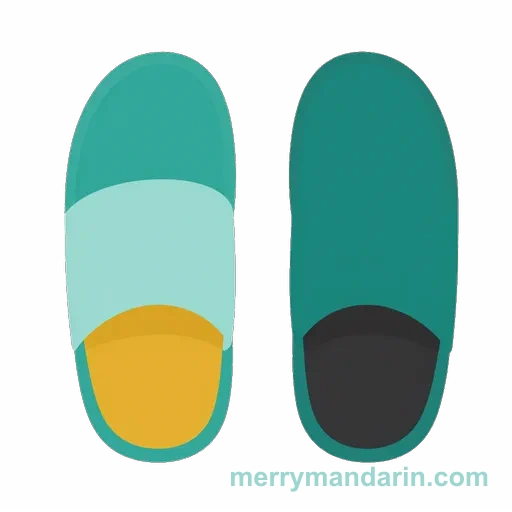
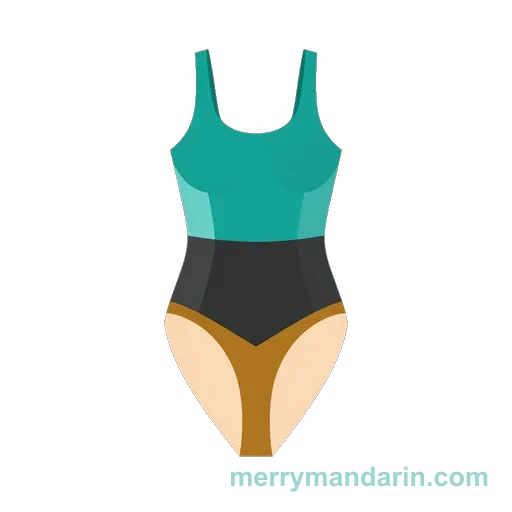
毛巾 is the general word for a towel. 浴巾 is a bath towel, and 浴袍 is a bathrobe. You may see them listed together in information about what a private room provides. If you only remember 毛巾, that is still enough to ask the basic question about towels; the more specific words help you understand the answer or the equipment list.
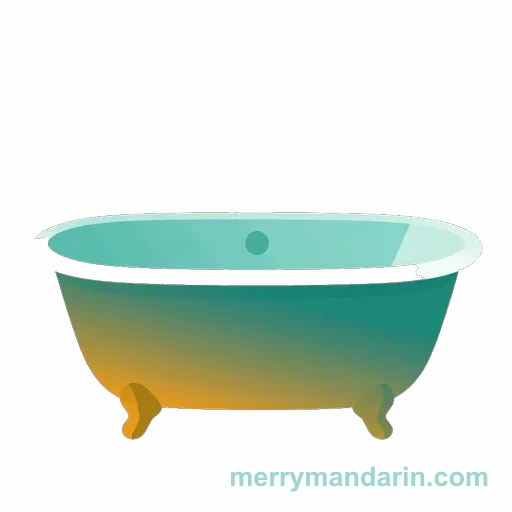
拖鞋 means slippers, 泳衣 means swimsuit, and 浴缸 means bathtub. A private bathing room may show a tub in its photos, while a shared area may have several pools. 温泉池 is the more specific word for a hot spring pool. 池 names the pool; 缸 names the tub. Keeping that distinction in mind makes room descriptions easier to read.
Before going into the water, wash as directed and follow the bath’s clothing rules. Leave your phone and other belongings where the facility asks you to keep them. Then you can give your attention to the part you came for, instead of wondering whether you have missed an instruction on the way in.
Read the signs before stepping inside
Bath signs are a good place to practise reading Chinese because a few short expressions carry a lot of meaning. You do not need to translate every character separately to understand 禁止拍照, “no photography”, or 小心地滑, “caution: slippery floor”. Learn the expression as a whole, then notice which parts appear on other signs.
请/請 means “please”. You will see it at the start of 请先淋浴, “please shower first”, and 请保持安静, “please keep quiet”. 保持 means to maintain or keep, and 安静 means quiet. Together, the words make a polite instruction you can recognize in many shared spaces.
禁止 means prohibited. In 禁止拍照, the activity is 拍照, taking photographs. 请勿/請勿 is another way signs ask you not to do something. 请勿饮食 means “please do not eat or drink”. Read any exceptions or extra instructions beside the sign, since a facility may make a distinction between drinking water and bringing food into an area.
营业时间/營業時間 gives opening hours. The numbers below it matter too: a hotel may be open while a particular bath is closed, or the last admission may be earlier than the closing time. Check the current information for the bath itself when you plan your visit.
These are examples of signs to recognize, rather than a promise that every hot spring displays the same wording. If an instruction is unclear, ask before entering. For extra reading practice, copy the Chinese text from a bath’s visitor page into the Chinese Reader and tap unfamiliar words to look them up.
Read a hot spring’s visitor information in ChinesePaste the text into the Chinese Reader, then tap unfamiliar words for dictionary help while you read.
Try it yourselfTalk about the water, the view, and how you feel
The Chinese you use after arriving can be much simpler than the Chinese on the booking page. 冷, cold, and 热, hot, let you describe the air and the water. 舒服, comfortable or pleasant, gives you a way to say that the soak feels good. You can enjoy a conversation with a handful of words when they are the right ones for the moment.
温暖 means warm, often with a pleasant sense of warmth. 热 means hot, so add 太 when you want to say “too hot”. 水有点太热了。 means “The water is a little too hot.” It is a useful sentence to have, and there is no need to pretend a pool feels comfortable just because you came for a hot spring visit.
蒸汽 is steam, 风景 is scenery or a view, and 放松 means to relax. These words take you beyond naming equipment. You can describe what you see, say how you feel, or tell a friend what you want from the afternoon. 我想放松一下。 (Wǒ xiǎng fàngsōng yíxià.) means “I’d like to relax for a bit.”
Now try taking a short visit through the scene below. Start at reception, ask where the changing room is, and read the signs on the way to the pool. At each stop, listen to the phrase and say it aloud once before moving on. If you get a sign wrong, look at the explanation and try it again. There is no hurry.
Take a little hot spring trip
Choose a stop in the scene or use the buttons below. Hear a useful phrase, then try reading the sign before revealing its meaning.
First, ask what is available
A private room and a shared bath are different options. Ask about the fee, time limit, and what is included before you choose.
Words for this stop
Something you could say
请问,现在有汤屋吗?
請問,現在有湯屋嗎?
Excuse me, is a private bathing room available now?
What does this sign say?
Choose the meaning. You can reveal the answer if you need it.
营业 means operating a business; 时间 means time. Together, they tell you when the facility is open.
For a small amount of practice that is easy to remember, choose three things you would actually say on a trip. One question at reception, one question about facilities, and one comment about the view make a good starting set. Cover the English, say the Chinese, and then check it. Come back later and see which sentences you can still produce without looking.
If your ideal afternoon starts with a walk and ends with warm water, our Chinese hiking vocabulary guide gives you words for the first part of the day. And if it ends with dinner around another kind of steaming pool, the Chinese hot pot guide will help you choose the broth.
You do not have to learn every word here before you go. Start with 温泉, 汤屋, 毛巾, and a question you can use at the desk. Then let the changing-room sign, the towel on the bench, and the view beyond the water give the next few words somewhere to belong.
Related reading

Autumn Vocabulary in Chinese: 40 Words for Cozy Days
Learn 40 autumn words in Chinese, from maple leaves and scarves to chestnuts, walnuts, and hot tea, with illustrations, pinyin, and useful Mandarin sentences.

Hiking in Chinese: The Vocabulary You Need on the Trail
Chinese vocabulary for hiking, illustrated: what's in your pack, what's on the trail, and what you might see, built around a narrated Chinese story you can watch.