

Autumn Vocabulary in Chinese: 40 Words for Cozy Days
The first afternoon you reach for a scarf, autumn has probably already made itself at home. There are leaves gathering along the pavement, a bag of chestnuts that feels lovely in your hands, and suddenly a cup of hot tea sounds much better than an iced drink. These small changes give you plenty to talk about in Mandarin, even if you are still a beginner.
This guide to autumn vocabulary in Chinese brings together 40 words for the season, from maple leaves and cool weather to walnuts, pumpkins, and the clothes you pull out of the wardrobe when the temperature drops. The Chinese is in Simplified characters, with pinyin, individual word illustrations, and sentences you can borrow for your own autumn days. Whether you call the season autumn or fall, start with a few things you can actually see around you, then let the vocabulary grow from there.
How do you say autumn in Chinese?
The everyday word for autumn is 秋天 (qiūtiān). It is the word to reach for when you tell someone which season you like, describe the weather, or suggest going for a walk. 秋季 (qiūjì) also means the autumn season, and fits naturally in more formal writing or a seasonal heading. For a first conversation, though, 我喜欢秋天。 (Wǒ xǐhuan qiūtiān., “I like autumn.”) is a perfectly good place to begin.
The character 秋 is the part to notice. You will meet it again in 秋风, “autumn wind,” and 赏秋, “to enjoy autumn scenery.” You do not need to learn all those compounds at once, but recognizing a familiar character inside a new word makes the next encounter a little less intimidating.
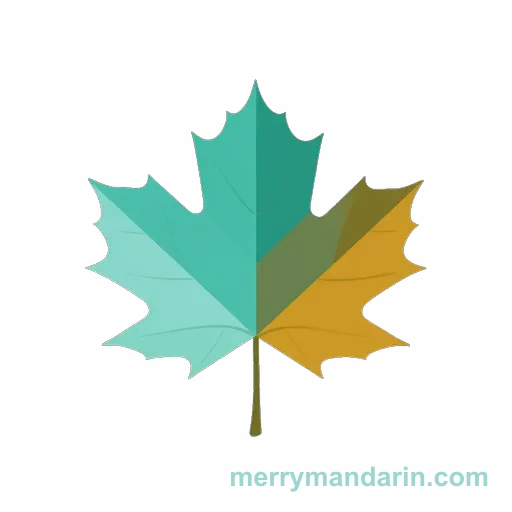
There are three leaf words worth keeping separate. 树叶 is the general word for a tree leaf, 枫叶 identifies a maple leaf, and 落叶 describes leaves falling or already fallen. A maple leaf can therefore be a 枫叶 while it is on the tree and part of the 落叶 once it reaches the path. 红叶 draws your attention to the color: red leaves or red autumn foliage, which need not all come from maple trees.
That difference gives you more to say than simply pointing at everything and calling it “leaf.” When one catches your eye, try 这片枫叶真好看。 (Zhè piàn fēngyè zhēn hǎokàn., “This maple leaf is really pretty.”). The little word 片 (piàn) is the measure word for a leaf here. If the whole path is covered, 地上有很多落叶。 (Dìshang yǒu hěn duō luòyè., “There are lots of fallen leaves on the ground.”) describes the scene without needing to count them.
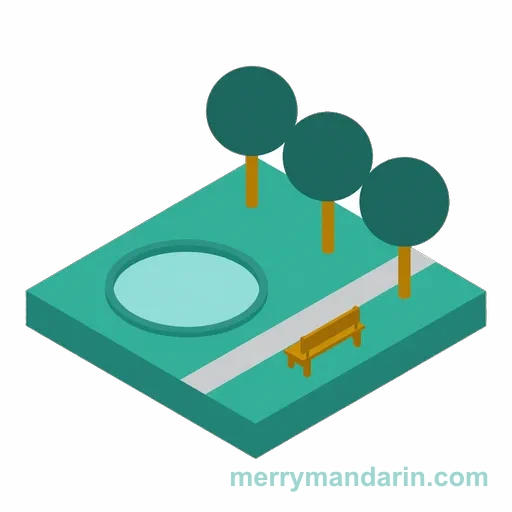
You can practise this in a city park as easily as in a forest. A short walk through 公园 is enough to find a tree, a leaf, and something worth commenting on. If your autumn plans involve a longer trail, our Chinese hiking vocabulary guide adds the words for the things you carry and meet along the way.
Cool weather and the clothes that make it cozy
Autumn does not have to be cold to feel different. Often the best word is 凉爽 (liángshuǎng), pleasantly or refreshingly cool, the sort of weather that makes you want to stay outside a little longer. 凉快 (liángkuai) is another everyday way to say something feels pleasantly cool. Either can fit the afternoon when the heat has eased and the air finally feels comfortable.
今天天气很凉爽。 (Jīntiān tiānqì hěn liángshuǎng., “The weather is pleasantly cool today.”) is a useful sentence because it leaves room for autumn to be enjoyable. 冷 (lěng), “cold,” would suggest a different feeling. If you are pulling your sleeves over your hands, 今天有点冷。 (Jīntiān yǒudiǎn lěng., “It’s a little cold today.”) may describe your afternoon more honestly.
温暖 means “warm,” and it works for the comfortable side of the season: sunshine through a window, a room you have just come into, or the feeling of finally being out of the wind. There is no need to find one Chinese word that covers every meaning of English “cozy.” Say what makes the moment cozy, whether that is warm clothes, a quiet room, or a drink that has just arrived.

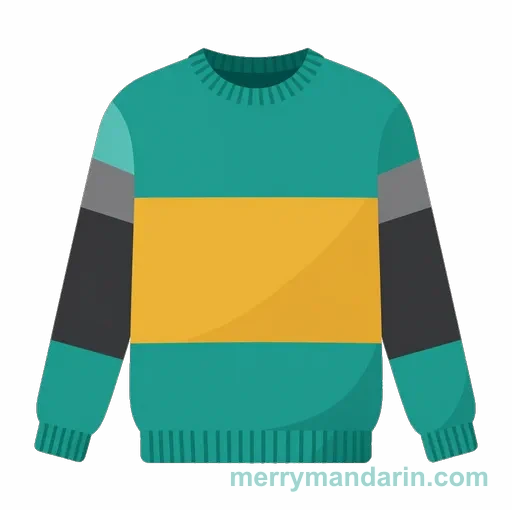
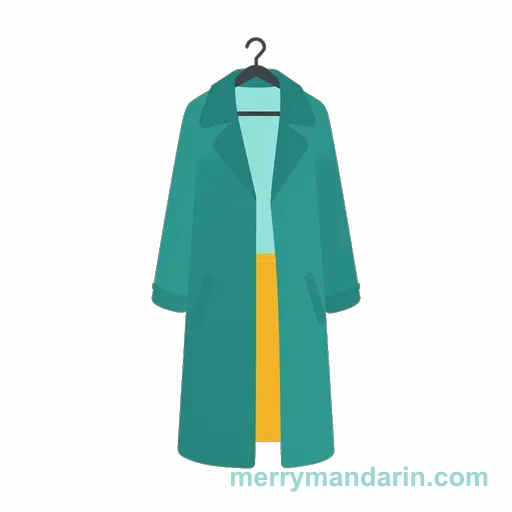


A 毛衣 is a sweater, while an 外套 is the outer layer you put on over your other clothes, such as a coat or jacket. 围巾 is the scarf you might carry in your bag in the morning and wish you had brought when the evening breeze picks up. Hats, gloves, and boots become useful words as the season gets colder, but you can choose the ones that fit the weather where you live.
Clothing also gives you a small, useful verb distinction. Use 穿 (chuān) for putting on or wearing clothes and footwear, and 戴 (dài) for things such as a scarf, hat, or gloves. You can keep the sentence short: 我穿了一件毛衣。 (Wǒ chuān le yí jiàn máoyī., “I put on a sweater.”), or 我戴了一条围巾。 (Wǒ dài le yì tiáo wéijīn., “I put on a scarf.”). 件 counts the sweater; 条 counts the scarf. Learn each measure word with the object, and the whole phrase becomes easier to reuse.
Nuts and chestnuts in Chinese
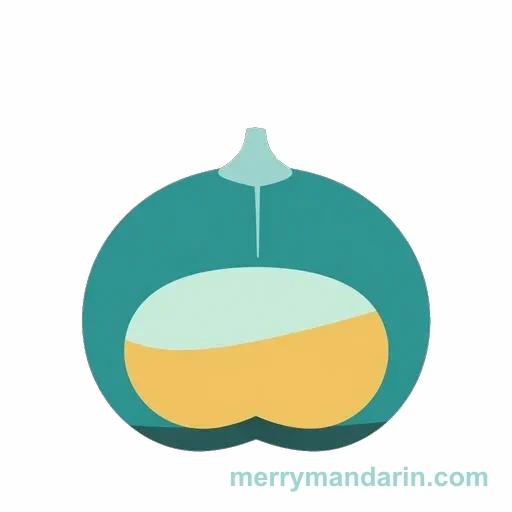
If you learn only one food word from an autumn walk, make it 栗子 (lìzi), “chestnuts.” It belongs to that very particular pleasure of opening a warm bag, working a shell loose, and eating the first one before you have quite decided where to sit. The word is short enough to remember, and the next time you see the chestnuts themselves, you have a ready-made reminder.
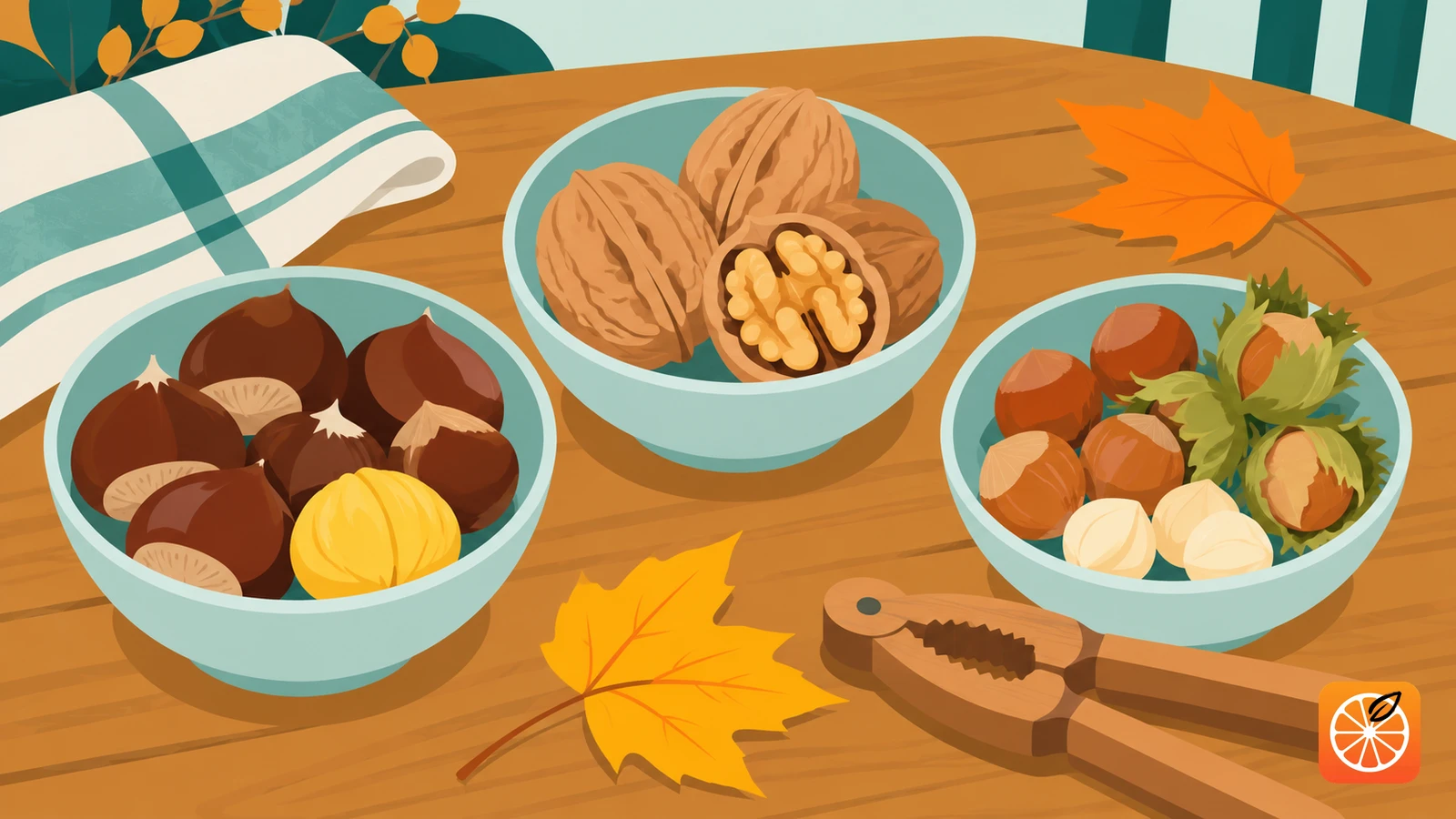
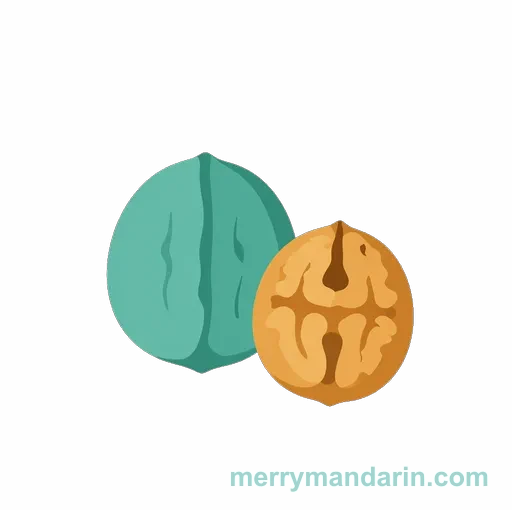
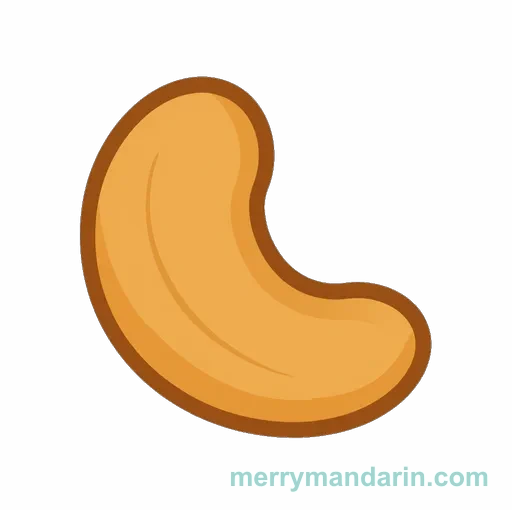
The wider food category is 坚果 (jiānguǒ), “nuts.” Within it, 核桃 (hétáo) gives you walnuts, 榛子 (zhēnzi) gives you hazelnuts, and 腰果 (yāoguǒ) gives you cashews. 松子 (sōngzǐ) is the word for pine nuts. These are useful shopping and snack words throughout the year, so an autumn vocabulary session can also help with reading a packet or telling a friend which nuts you like.
Chestnuts have a couple of extra names worth recognizing. 板栗 (bǎnlì) names the Chinese chestnut and also appears in everyday food wording for chestnuts. 栗子 is the broader, easy conversational word. You do not have to decide between them before you can buy a snack; learning to recognize both will help when the label uses a different word from the one you first memorized.
Then there is 糖炒栗子 (táng chǎo lìzi), sugar-roasted chestnuts. The name gives you three useful parts: 糖, “sugar,” 炒, “to stir-fry,” and 栗子, “chestnuts.” As a food name, “sugar-roasted chestnuts” is a more helpful English translation than treating it as a literal cooking instruction. It is also a good example of why learning the whole phrase can be easier than meeting each character separately on a sign.
If you want a bag, try 我想买一袋栗子。 (Wǒ xiǎng mǎi yí dài lìzi., “I’d like to buy a bag of chestnuts.”). Change the last word to 核桃 or 腰果 and you have another useful request. For a bowl of snacks at home, 你喜欢吃什么坚果? (Nǐ xǐhuan chī shénme jiānguǒ?, “What nuts do you like eating?”) is an easy question that can turn three new nouns into a real conversation.
For the rest of a grocery trip, our Chinese market vocabulary article covers fruit, vegetables, and paying. It pairs nicely with this list when you want to move from identifying a chestnut to actually buying some.
Pumpkins, sweet potatoes, and something hot to drink
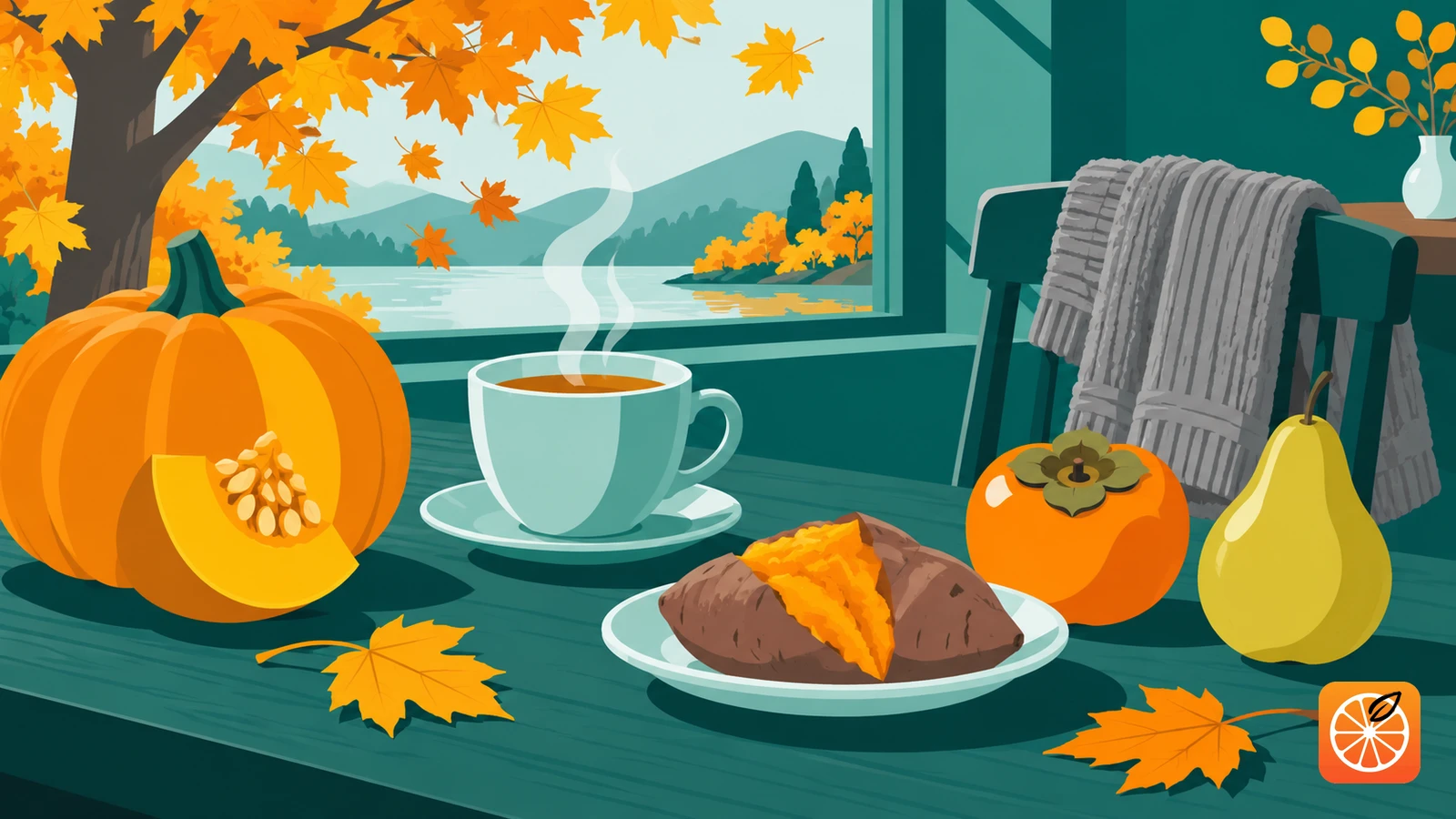
Autumn food vocabulary becomes much more useful when you can connect it to what you would actually eat. Perhaps that is pumpkin soup after a walk, a baked sweet potato on a chilly evening, or a pear sliced up beside a cup of tea. The ingredients are ordinary enough that the words will still come in handy after the trees have lost their leaves.
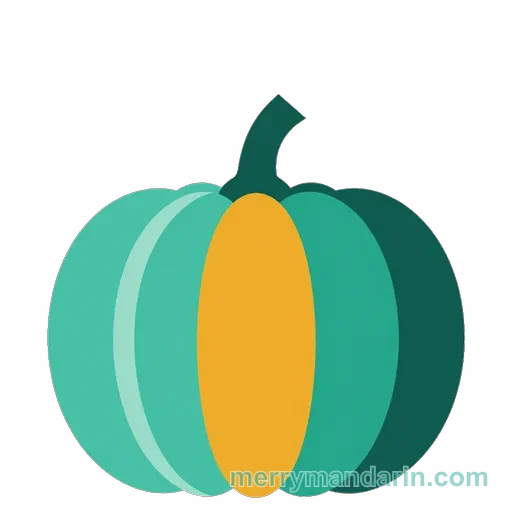
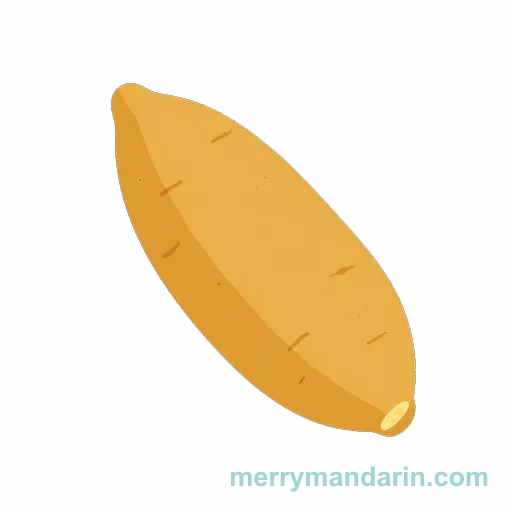
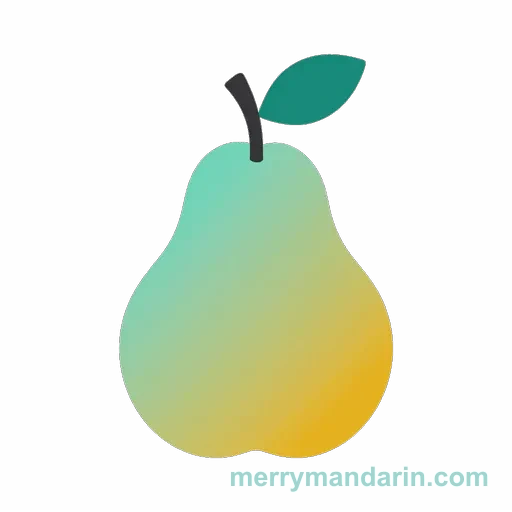
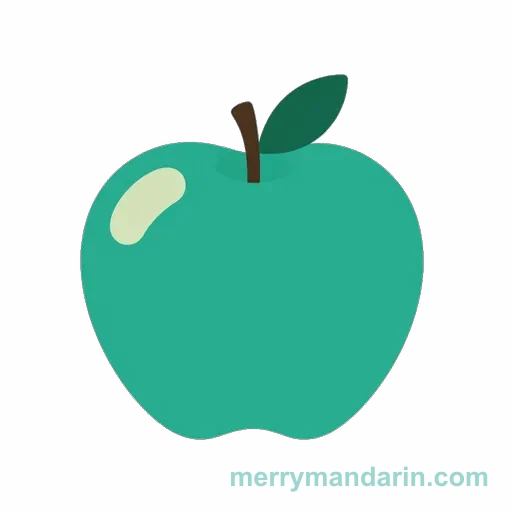
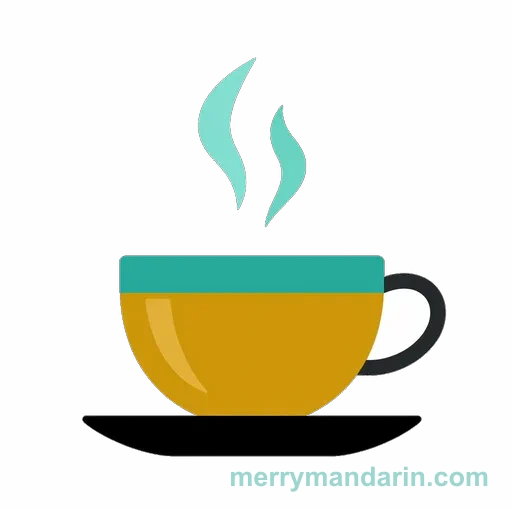
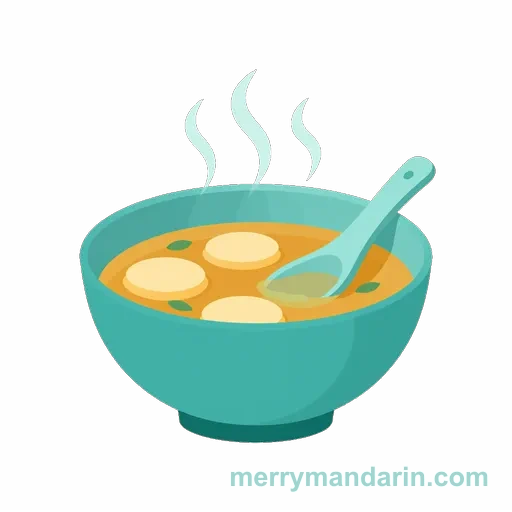
南瓜 (nánguā) is a pumpkin, and 汤 (tāng) is soup, so 南瓜汤 (nánguā tāng) immediately becomes something you can order or talk about making. 我想喝一碗南瓜汤。 (Wǒ xiǎng hē yì wǎn nánguā tāng., “I’d like a bowl of pumpkin soup.”) uses 碗, “bowl,” as its measure word. Mandarin commonly uses 喝, “drink,” with soup, so the verb in the Chinese sentence may be different from the one you would naturally choose in English.
红薯 (hóngshǔ) means “sweet potato.” Add 烤 (kǎo), “to bake or roast,” and 烤红薯 is a baked sweet potato. 柿子 (shìzi) is a persimmon, the fruit with a leafy cap that looks so at home beside a pumpkin in an autumn still life. 梨 and 苹果 are pears and apples, familiar fruit words that make a useful bridge between your new seasonal vocabulary and the things you already buy.
收获 (shōuhuò) brings in the idea of a harvest. It can also mean a gain or something you have gained from an experience, but the harvest meaning is the one to start with here. In 秋天是收获的季节。 (Qiūtiān shì shōuhuò de jìjié., “Autumn is a harvest season.”), the word helps describe the familiar autumn picture of gathered produce. What actually ripens when depends on the crop and where you are, so use the vocabulary for your own surroundings rather than expecting every place to have the same autumn table.
And when you just want to sit down, 热茶 (rèchá) is wonderfully straightforward: 热 is “hot,” and 茶 is “tea.” 来一杯热茶吧。 (Lái yì bēi rèchá ba., “Let’s have a cup of hot tea.”) is a friendly suggestion after being outside. It is also a sentence you could use on an entirely ordinary Tuesday, which is a good reason to keep it.
Mandarin phrases for an autumn afternoon
The nouns give you things to recognize; a few verbs give you plans. 散步 is going for a walk, 爬山 is hiking or climbing a mountain, and 野餐 is a picnic. 赏秋 is a more seasonal expression for enjoying autumn scenery, the sort of wording you might see around an outing to admire the changing leaves.
For an invitation, 我们去公园散步吧。 (Wǒmen qù gōngyuán sànbù ba., “Let’s go for a walk in the park.”) is enough. 吧 at the end makes it a suggestion. There is no need to wait until you can describe the entire landscape before you can make a plan with someone.
Here is a short conversation for the point when a walk turns into a snack stop. Read it once with the pinyin, then try the Chinese on its own. The same handful of words carries you from the weather to the chestnuts to the tea.
Notice how much you can change without rebuilding the conversation. Swap 公园 for a place you know, say 毛衣 instead of 外套, or choose 南瓜汤 instead of tea. The grammar can stay familiar while the new vocabulary does the interesting work.
Remember the words with one little autumn walk
Forty words is a useful collection to come back to; it is a lot to try to learn in one sitting. Choose four for your first pass: a maple leaf, a scarf, chestnuts, and hot tea. Look at the individual illustrations below and try to say the Chinese word before opening the answer. Then read the sentence, close it, and have another go.
One little autumn walk
Look at the picture and say the Chinese word before opening the answer.
You pick up a maple leaf. What is it called in Chinese?
Reveal the word and a useful sentence
枫叶 fēngyè
这片枫叶真好看。
This maple leaf is really pretty.
The breeze picks up. What would you wrap around your neck?
Reveal the word and a useful sentence
围巾 wéijīn
我想戴一条围巾。
I'd like to put on a scarf.
A warm bag of chestnuts is waiting for you. Can you name them?
Reveal the word and a useful sentence
栗子 lìzi
我想买一袋栗子。
I'd like to buy a bag of chestnuts.
Time to sit down. What is the hot drink in this cup?
Reveal the word and a useful sentence
热茶 rèchá
我想喝一杯热茶。
I'd like to drink a cup of hot tea.
Next time you go outside, pick just one sentence to take with you. If there are leaves on the pavement, say 地上有很多落叶。 If you put on a sweater, say 我穿了一件毛衣。 You can do this quietly to yourself; you do not need a conversation partner to begin connecting the words with something happening in your own day. Our guide to thinking in Chinese gives you more ways to build that habit gradually.
When you want to check a phrase, paste it into the free Chinese Reader and tap an unfamiliar word to look it up while the rest of the sentence stays in view. Try changing one of the example sentences to match your own plan, then check the part you are unsure about.
Try your autumn sentences in the Chinese ReaderPaste a sentence and tap an unfamiliar word to check its meaning in context.
Try it yourselfBy the end of the season, you might find that 围巾 comes to mind when you reach for your scarf, or 栗子 when you open a warm bag of chestnuts. That is a lovely sort of progress to notice: a word you once had to look up has become part of an afternoon you were going to enjoy anyway.
Related reading

Hiking in Chinese: The Vocabulary You Need on the Trail
Chinese vocabulary for hiking, illustrated: what's in your pack, what's on the trail, and what you might see, built around a narrated Chinese story you can watch.

Chinese Vocabulary for the Market: Fruits, Vegetables, and Paying
Chinese vocabulary for an actual grocery run: fruits, vegetables, and the words for baskets, bags, and paying, illustrated and organized the way a real trip to the market goes.