
How to Order Bubble Tea in Chinese: Sugar, Ice & Toppings
You can walk into a bubble tea shop knowing how to say 珍珠奶茶 and still get stuck at the counter. The cashier also wants to know your cup size, sugar level, and ice choice. Those questions can come quickly, while you are still trying to read the menu.
That is the part we will practise here. Choose a drink you would normally buy, learn the answers to those questions, and try the full order below. You can change the drink, hear the sentence, and tap each phrase for its meaning. In the vocabulary cards, dialogue, and full order, Simplified Chinese comes first, with Traditional Chinese below it and pinyin underneath.
What is bubble tea called in Chinese?
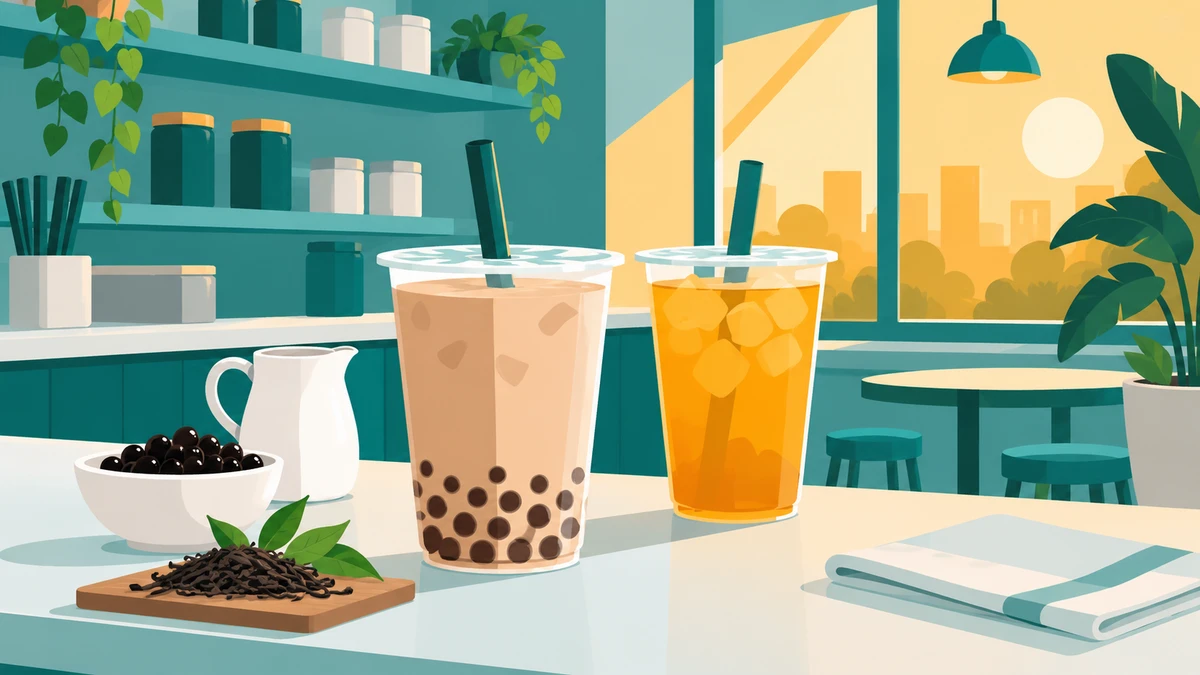
珍珠奶茶 (zhēnzhū nǎichá) means “pearl milk tea”, the drink often called bubble tea or boba in English. 珍珠 means “pearls” and refers to the chewy tapioca pearls at the bottom of the cup. 奶茶 means “milk tea”. Put the two together and you have the name of the drink.
These words also help when the menu has twenty drinks and you only recognize a few characters. Look for 奶茶 to find milk tea, then check whether 珍珠 is part of the name. You can order plain milk tea and ask to add pearls, too. We will use both versions so you can choose the one that fits the menu.
For the tea itself, 红茶 (hóngchá) means black tea. The characters say “red tea”, so the English name can be a surprise the first time you see it. 绿茶 (lǜchá) is green tea, and 乌龙茶 (wūlóngchá) is oolong tea. If you like a drink with dark syrup down the sides of the cup, look for 黑糖 (hēitáng), brown sugar.
There is one detail to check if you prefer fresh milk. Some shops use creamer in their 奶茶 and list fresh-milk drinks in a separate section. Look for 鲜奶茶, or a tea name followed by 拿铁, “latte”. At a tea shop, a latte can contain tea and fresh milk, without coffee. You can ask 这是鲜奶茶吗? (Zhè shì xiān nǎichá ma?), “Is this fresh-milk tea?”
In Taiwan, you will usually see Traditional Chinese on the menu. 奶茶, 半糖, and 少冰 look the same in both scripts. Other words have different characters. Here are a few to recognize:
| Simplified | Traditional menu spelling | Pinyin |
|---|---|---|
| 绿茶 | 綠茶 | lǜchá |
| 乌龙茶 | 烏龍茶 | wūlóngchá |
| 鲜奶茶 | 鮮奶茶 | xiān nǎichá |
| 无糖 | 無糖 | wútáng |
| 热的 | 熱的 | rè de |
| 外带 | 外帶 | wàidài |
How to order bubble tea in Chinese
Suppose you want pearl milk tea with half sugar and less ice. You can say:
我要一杯珍珠奶茶,半糖,少冰,谢谢。
我要一杯珍珠奶茶,半糖,少冰,謝謝。
Wǒ yào yì bēi zhēnzhū nǎichá, bàntáng, shǎobīng, xièxie.
“I'd like a cup of pearl milk tea, half sugar, less ice. Thank you.”
Start with 我要一杯… (Wǒ yào yì bēi…), “I’d like one cup of…”. Then add the drink name. 杯 is the measure word for a cup, so learn 一杯 together. You can use this same start to order black tea, green tea, or milk tea. 要 is normal in this setting; you can say what you want and finish with 谢谢, “thank you”.
The cashier may ask 中杯还是大杯? (Zhōngbēi háishi dàbēi?), “Medium or large?” Answer 大杯,谢谢。 (Dàbēi, xièxie.), “Large, thank you.” A short answer is enough here. Once the cashier asks about size, you do not need to repeat the whole order.
Before you go, decide on these four things. The cashier may ask about them in a different order, but your answers will stay the same:
-
Choose your drink
Learn the name of the drink you want, such as 珍珠奶茶, pearl milk tea.
-
Choose your size
中杯 is medium. 大杯 is large.
-
Choose sugar and ice
Try 半糖、少冰 for half sugar and less ice.
-
Choose a topping
Use 加, add, before the topping name.
珍珠奶茶 already names the pearls, so you can order it as it appears on the menu. If you order 奶茶 and want pearls added, say 加珍珠 (jiā zhēnzhū), “add pearls”. Both are ways to ask for pearl milk tea.
Sugar and ice: the questions that come next
Listen for 甜度 (tiándù), sweetness level, and 冰块 (bīngkuài), ice cubes. The cashier may ask about both in one question. If you hear those words, give your sugar choice first and your ice choice after it.
全糖 is the standard sugar level. 少糖 asks for less, 半糖 for half, and 微糖 for a little. 无糖 means no added sugar. These labels help you choose, but the amounts depend on the shop. A “half sugar” drink from one place may taste sweeter than the same order from another.
If you prefer less sweetness, choose 半糖 or 微糖 from the menu. You can also say 不要太甜。 (Bú yào tài tián.), “Not too sweet, please.” A listed sugar level gives the cashier a more exact choice. Also, 无糖 does not mean that every part of the drink is free of sugar: the pearls, pudding, or drink base may already be sweetened.
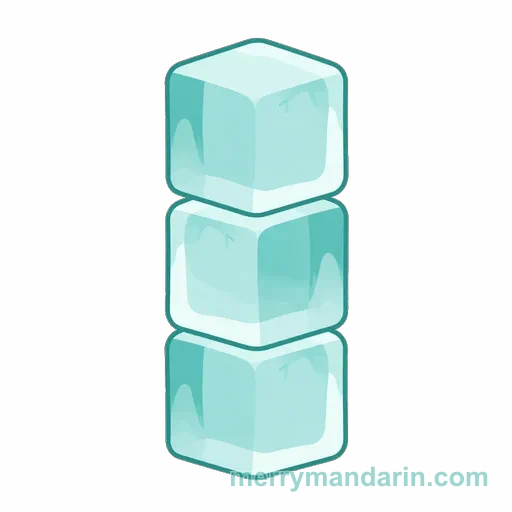
For ice, choose 正常冰, regular ice; 少冰, less ice; or 去冰, no ice. Notice 少 in both 少糖 and 少冰. It means “less” in these orders. Say 半糖,少冰 (bàntáng, shǎobīng) a few times, and you have an answer ready for the sugar-and-ice question.
Want hot milk tea on a cool day? Say 我要热的。 (Wǒ yào rè de.), “I’d like it hot.” 热的 asks for a hot drink. 去冰 only asks the shop to leave out the ice, so use the right phrase for the temperature you want. For more words to go with the weather, see our Chinese autumn vocabulary.
Some recipes have fixed sugar or ice levels. Check the menu notes, especially for a drink with several ingredients. If the shop cannot make your first choice, choose one of the options it offers.
Pearls, pudding, and other toppings
Pearls are only one choice. 椰果 (yēguǒ) is coconut jelly, also called nata de coco, and 仙草 (xiāncǎo) means grass jelly on a drink menu. For a layer of milk foam on top, look for 奶盖 (nǎigài). Its name means “milk lid”, which describes where it sits in the cup.
布丁 (bùdīng) is pudding, another topping you can ask to add. You may also see 芋头 (yùtou), taro, in the names of drinks made with taro paste or other taro ingredients. 柠檬 (níngméng) is lemon. If milk tea feels too rich and you would rather have a fruit tea, that is a word to look for.
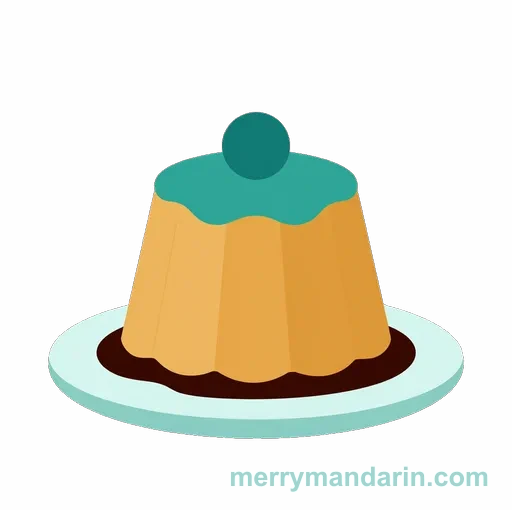
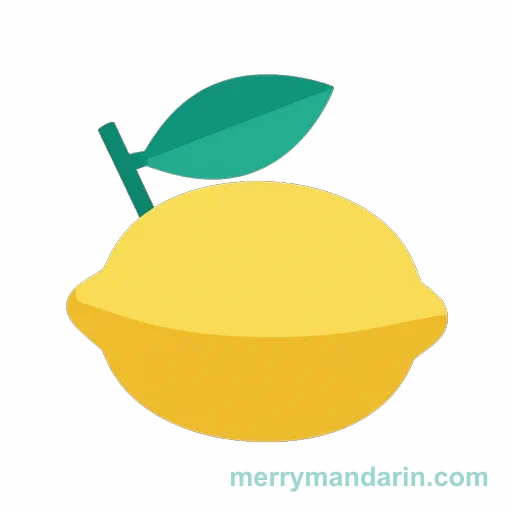
Use 加 (jiā), “add”, before the topping name. 加珍珠 means “add pearls”; 加布丁 means “add pudding”. To ask whether the shop can add it, say 可以加布丁吗? (Kěyǐ jiā bùdīng ma?), “Can you add pudding?” Keep the question and change the topping name when you want something else.
There is no reason to learn every topping before your first visit. Start with the one you like. If you see another you want to try, point to it and say 这个 (zhège), “this one”. You can ask for its name after you have ordered.
A bubble tea conversation, from hello to takeaway
Here is a full example, including one last question: will you drink it here or take it away? In Taiwan, 内用 (nèiyòng) means “for here” and 外带 (wàidài) means “to go”. A takeaway-only shop may skip that question.
Read the conversation once, then cover your answers and try them aloud. Change 大杯 to 中杯 if you want a medium cup, or 半糖 to 微糖 if you want less sugar. You can keep the rest of the conversation as it is.
It helps to know what to say when you miss a question. 不好意思,请再说一次。 (Bù hǎoyìsi, qǐng zài shuō yí cì.) means “Sorry, please say that again.” For a slower reply, ask 可以说慢一点吗? (Kěyǐ shuō màn yìdiǎn ma?), “Could you speak a little more slowly?” Choose the phrase that is easier for you to say, and practise it along with your order.
To ask the price, say 这杯多少钱? (Zhè bēi duōshao qián?), “How much is this cup?” 多少钱 works for other purchases too. Our Chinese vocabulary guide for the market has more examples for buying food and asking prices.
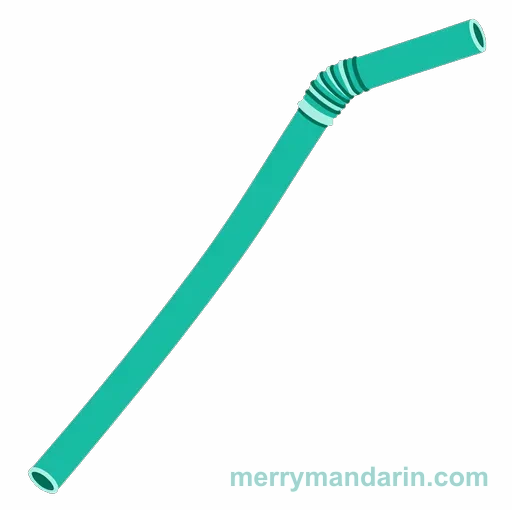
And if you need a straw, the word is 吸管 (xīguǎn). Ask 可以给我一根吸管吗? (Kěyǐ gěi wǒ yì gēn xīguǎn ma?), “Could you give me a straw?” 根 is the measure word for long, thin objects such as straws. In this request, 一根吸管 means “one straw”.
Try your own bubble tea order
Now choose your drink below. Change the size, sugar, ice, and topping to match what you would order. The Chinese sentence will change with your choices. Tap a phrase to see its meaning, or press play to hear the full order.
What are you having?
Choose your drink, then practise saying the order. Tap a Chinese phrase to see what it means.
奶茶
奶茶
large · half sugar · less ice
Your order
我要一杯奶茶,大杯,半糖,少冰,加珍珠,謝謝。
I'd like one large milk tea, half sugar, less ice, with tapioca pearls. Thank you.
Use this to practise the language. Each shop has its own menu and customization options.
Read your order aloud, then look away and say it again. If you forget a word, check that part and try once more. After that, practise the short answers separately: cup size, sugar, ice, and takeaway. You may say the full sentence at the counter, but the cashier can still ask you to confirm one of those choices.
You can also copy the order into the free Chinese Reader. Tap a word to check its meaning while the rest of the sentence stays on screen. If you have a menu line you cannot read, paste that into the Reader too.
Read your bubble tea order with tap-to-lookupPaste your order or a menu line into the Chinese Reader and tap an unfamiliar word to check its meaning.
Try it yourselfKeep your order on your phone for the first visit if that helps. Say what you can, point to the menu when you need to, and ask the cashier to repeat a question you missed. Next time, try the same order again. You will already know what you want to say, right down to 半糖,少冰.
Related reading
Chinese Vocabulary for the Market: Fruits, Vegetables, and Paying
Chinese vocabulary for an actual grocery run: fruits, vegetables, and the words for baskets, bags, and paying, illustrated and organized the way a real trip to the market goes.

Autumn Vocabulary in Chinese: 40 Words for Cozy Days
Learn 40 autumn words in Chinese, from maple leaves and scarves to chestnuts, walnuts, and hot tea, with illustrations, pinyin, and useful Mandarin sentences.